How Great Content Creates Emotional Buy-In and Builds Stronger Customer Connection

Information alone rarely creates action. People may justify decisions logically, but emotion often creates the momentum behind attention, trust, memory, motivation and buying behaviour. Content creates emotional buy-in when it helps people feel the problem, believe in the outcome, connect with the journey, and see themselves in the transformation.

Understanding where website traffic comes from online

A lot of online content is technically useful but emotionally flat.

It explains things.

It gives tips.

It lists steps.

But it does not make the reader care deeply enough to act.

Information explains. Emotion creates movement.

This does not mean content should become manipulative, dramatic or fake.

Emotional buy-in is not about tricking people.

It is about helping the audience emotionally connect with why something matters.

Someone can understand that building an email list is useful.

But they are more likely to act when they feel the risk of depending entirely on rented platforms, algorithms and unpredictable reach.

Someone can understand that SEO takes time.

But they are more likely to commit when they emotionally connect with the idea of building a digital asset that can keep working long after the article is published.

If you have not read the previous post in this cluster, start with: Long-Form vs Short-Form Content.

What Emotional Buy-In Actually Means

Emotional buy-in means the audience connects emotionally with the idea, problem, outcome or journey your content is describing.

It is the moment where the content stops being abstract information and starts feeling personally relevant.

Emotional buy-in can happen when someone connects with:

  • the pain of the current problem
  • the frustration of staying stuck
  • the hope of a better outcome
  • the identity they want to move towards
  • the fear of wasting time
  • the desire for progress
  • the relief of finding a clearer path

Example

A purely informational statement might be:

“You should build traffic sources for your website.”

That is true, but it is not especially moving.

A more emotionally relevant version might be:

“If your business depends entirely on one platform, one algorithm change can make your audience disappear overnight.”

The second version creates emotional weight because it connects the idea to risk, control and stability.

Why Emotion Matters in Decision-Making

People like to believe they make decisions purely through logic.

But emotion heavily influences what people notice, remember, trust and act on.

This matters in content because readers are not just asking:

  • is this information correct?
  • is this logically useful?
  • does this make technical sense?

They are also asking, often subconsciously:

  • does this matter to me?
  • do I trust this?
  • does this feel relevant?
  • can I see myself doing this?
  • does this make me feel more hopeful, clear or capable?

Emotion Affects Attention

People pay attention to things that feel emotionally relevant.

Content that connects to a real frustration, fear, ambition or desire is much more likely to stop someone scrolling, clicking away or mentally checking out.

Emotion Affects Memory

Emotionally meaningful ideas are easier to remember.

A dry tip may be forgotten.

A sharp insight that makes someone think “that is exactly what I have been doing wrong” is much harder to ignore.

Emotion Affects Action

People often need a reason to move.

Logic can show them what makes sense.

Emotion often creates the motivation to actually do something with that information.

Logic helps people understand. Emotion helps people care.

Logic Explains, Emotion Motivates

Strong content usually needs both logic and emotion.

If content is only emotional, it can feel fluffy, manipulative or unsupported.

If content is only logical, it can feel dry, forgettable or difficult to care about.

Logical Version

“SEO traffic can compound over time.”

True.

Useful.

But not especially emotional.

Emotionally Stronger Version

“A strong SEO article can keep bringing people to your website long after you have stopped actively promoting it.”

That second version still communicates the logic, but it also creates a feeling of leverage, relief and long-term possibility.

Another Example

Logical:

“Email lists are useful for audience retention.”

Emotionally stronger:

“An email list gives you a direct relationship with your audience that no algorithm can suddenly take away.”

Same idea.

More emotional relevance.

Emotional Relevance Creates Attention

People pay attention when content connects to something they already feel, fear, want or suspect.

This is why emotionally relevant content often works better than purely informational content.

Emotional Relevance Often Connects To:

  • frustration with lack of progress
  • fear of wasting time
  • desire for independence
  • hope for a better future
  • identity tension
  • disappointment with previous attempts
  • ambition to build something meaningful
  • relief at finding a clearer path

For example, “how to start a website” is useful.

But “how to build a website that slowly becomes a digital asset instead of another unfinished project” is more emotionally specific.

It speaks to the frustration of abandoned ideas, wasted effort and wanting something that compounds.

Storytelling Creates Emotional Connection

Stories are powerful because they create emotional context.

A story turns an idea into a journey.

It creates:

  • tension
  • relatability
  • curiosity
  • stakes
  • memory
  • emotional investment

Storytelling Does Not Need to Be Dramatic

Not every story needs to be a dramatic hero’s journey with lightning, tears and a perfectly timed sunrise.

Often, simple stories work best:

  • what you tried
  • what went wrong
  • what surprised you
  • what changed your mind
  • what you learned
  • what you would do differently

Useful Story Types

  • transformation stories
  • mistake stories
  • lesson-learned stories
  • behind-the-scenes stories
  • turning-point stories
  • customer or reader examples
  • public learning and documentation
Stories help people feel the meaning behind the information.

Identity-Based Content Is Powerful

People do not only buy products, read content or join communities because of practical benefits.

They often connect with the identity behind the decision.

They are not just buying a workout programme.

They are moving towards becoming fitter, stronger, more disciplined or more confident.

They are not just reading about SEO.

They are moving towards becoming someone who can build assets, create income streams and understand how online business works.

Identity Examples

  • becoming financially independent
  • becoming healthier
  • becoming more disciplined
  • becoming a creator
  • becoming someone who finishes projects
  • becoming someone who builds useful digital assets

Content becomes more powerful when it connects practical steps to the identity the reader wants to build.

People often act when the content connects with who they want to become.

Emotion and Trust Work Together

Emotion without trust can feel manipulative.

Trust without emotion can feel forgettable.

Strong content usually combines both.

Emotion Creates Relevance

Emotion helps the reader understand why the idea matters to them personally.

Trust Creates Safety

Trust helps the reader believe that the content, recommendation or offer is credible.

Logic Creates Clarity

Logic helps the reader understand how the idea works and what to do next.

Together, these create much stronger content:

  • emotion makes it matter
  • trust makes it safe
  • logic makes it clear

For more on the trust side, read: How Trust Is Built Online.

Emotional Triggers That Work in Content

Emotional triggers are not automatically bad.

They become a problem when they are used dishonestly or manipulatively.

Used ethically, emotional triggers help content connect to real human motivation.

Hope

Hope gives people a reason to move forward.

It helps them believe progress is possible.

Relief

Relief works when content removes confusion or makes a difficult topic feel manageable.

Curiosity

Curiosity makes people want to keep reading.

But curiosity should be resolved with substance, not clickbait disappointment.

Ambition

Ambition connects with the reader’s desire to build, improve, grow or achieve something meaningful.

Frustration

Frustration works when you name a problem the reader has been feeling but may not have clearly articulated yet.

Transformation

Transformation helps the reader see the gap between where they are now and where they want to be.

Ethical emotional content helps people recognise real stakes, not invented insecurity.

The Danger of Manipulative Emotional Marketing

Emotional buy-in can be used well or badly.

When used badly, it becomes manipulation.

Fake Urgency

Fake urgency pressures people into acting before they have properly understood the decision.

Fear Exploitation

Fear can be legitimate when it reflects a real risk.

But exaggerating danger to force action damages trust.

Shame Marketing

Content that makes people feel stupid, lazy or inadequate may get attention, but it often creates a weak relationship.

Exaggerated Claims

Overpromising may produce short-term interest, but it damages long-term credibility.

Manipulation can create short-term action, but it usually damages long-term trust.

How to Create Emotional Buy-In Ethically

Ethical emotional buy-in starts with respect for the audience.

The goal is not to pressure people.

The goal is to help them understand why the topic matters and what meaningful action could look like.

Understand the Audience Deeply

Emotional relevance comes from understanding real problems, not inventing drama.

Speak Clearly

Clear language helps people feel understood.

Avoid vague motivational phrases when specific explanation would be more useful.

Use Real Examples

Examples make emotional ideas concrete.

Connect Ideas to Real Outcomes

Do not only explain what something is.

Explain why it matters in real life.

Combine Emotion With Substance

Emotion should not replace usefulness.

The best content creates emotional relevance and then delivers practical value.

Emotional Buy-In Across Different Content Formats

Emotional buy-in looks different depending on the format.

Short-Form Content

Short-form content often creates emotional buy-in through:

  • strong hooks
  • curiosity
  • tension
  • sharp observations
  • relatable frustrations

Long-Form Content

Long-form content can create deeper emotional buy-in through:

  • narrative
  • context
  • transformation
  • worldview building
  • deep explanation

Email Content

Email can deepen emotional buy-in because it creates repeated direct contact with the audience.

This connects naturally to: How Email Lists Turn Attention Into Long-Term Assets.

Practical Examples: Weak vs Emotionally Stronger Content

Example 1: Website Traffic

Weak:

“You need more website traffic.”

Stronger:

“Traffic only matters when it brings the right people to the right offer with the right level of trust.”

Example 2: SEO

Weak:

“SEO is good for websites.”

Stronger:

“SEO lets you build content once, improve it over time, and slowly turn useful articles into long-term digital assets.”

Example 3: Email Lists

Weak:

“Build an email list.”

Stronger:

“An email list turns temporary attention into a relationship you can return to without asking an algorithm for permission.”

Example 4: Digital Products

Weak:

“Digital products can make money.”

Stronger:

“A good digital product lets you package your knowledge once and sell the same useful solution repeatedly without rebuilding it from scratch each time.”

Final Thoughts

Content does not create action simply because information exists.

People act when information becomes personally meaningful.

Emotional buy-in happens when content helps people connect with:

  • the problem
  • the stakes
  • the possibility of change
  • the identity they want to move towards
  • the relief of finding clarity
  • the confidence to take the next step

But emotion must be paired with trust and substance.

Otherwise, it becomes manipulation.

People rarely act because information exists alone; they act because information becomes emotionally meaningful.

Read next: Different Ways Online Businesses Monetise Attention.

Continue Exploring

Save this guide

Want to come back to this later?

Save one of these quick summaries to Pinterest so you can find the key idea again when you’re planning your own audience growht and monetisation content.

Keep going

The lead generation reading path

If you’ve landed halfway through this series, this is the order I’d read the lead generation posts in.

Free SEO resource

Build an audience that compounds over time

Get my free Audience Growth System — a practical framework for turning traffic, content, and attention into long-term business assets (perfect for beginners).

Get the free framework

Behind the scenes

Want to see whether this is actually working?

I share the traffic numbers, income reports, experiments, mistakes, and changes behind the scenes — including whether this SEO strategy is moving the needle.

Read the reports and insights
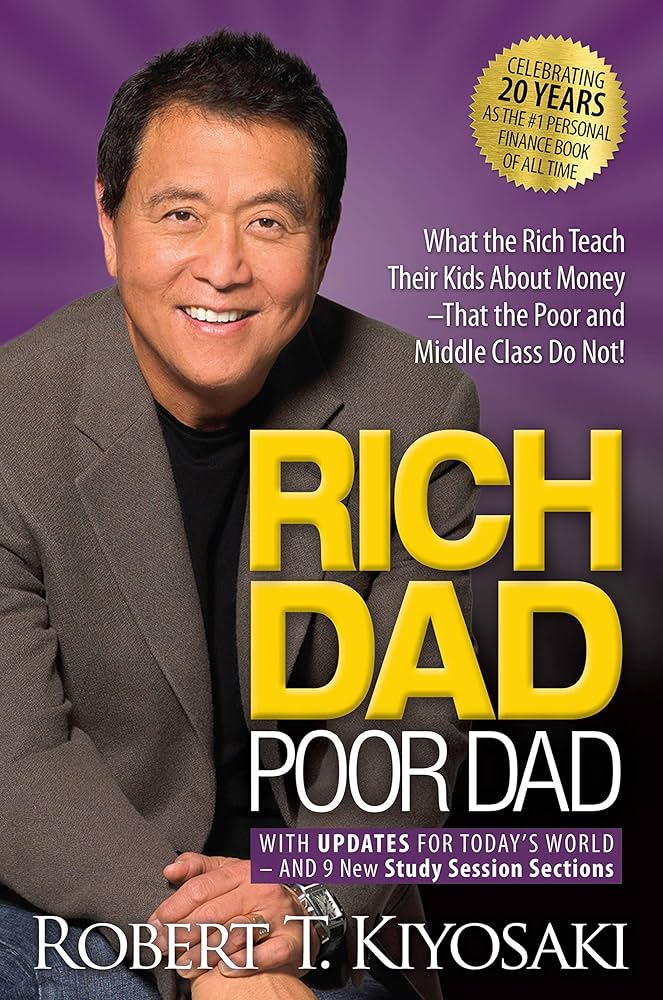
Rich Dad Poor Dad book cover
Buy on Amazon

Affiliate link — I may earn a commission at no extra cost to you.

Rich Dad Poor Dad

This is one of the most impactful books I’ve read when it comes to understanding how money actually works. It completely reframes the difference between earning income and building assets — and why that distinction matters far more than most people realise.

What makes it powerful isn’t that it gives you a step-by-step blueprint. It’s that it forces a shift in thinking — from working for money to building things that generate it. Once you see that properly, it’s very hard to go back to thinking in purely salary terms.

Why it’s worth reading:

  • It clearly explains the difference between assets and liabilities
  • It shifts your focus from income to ownership
  • It lays the foundation for thinking in terms of cash flow and long-term growth
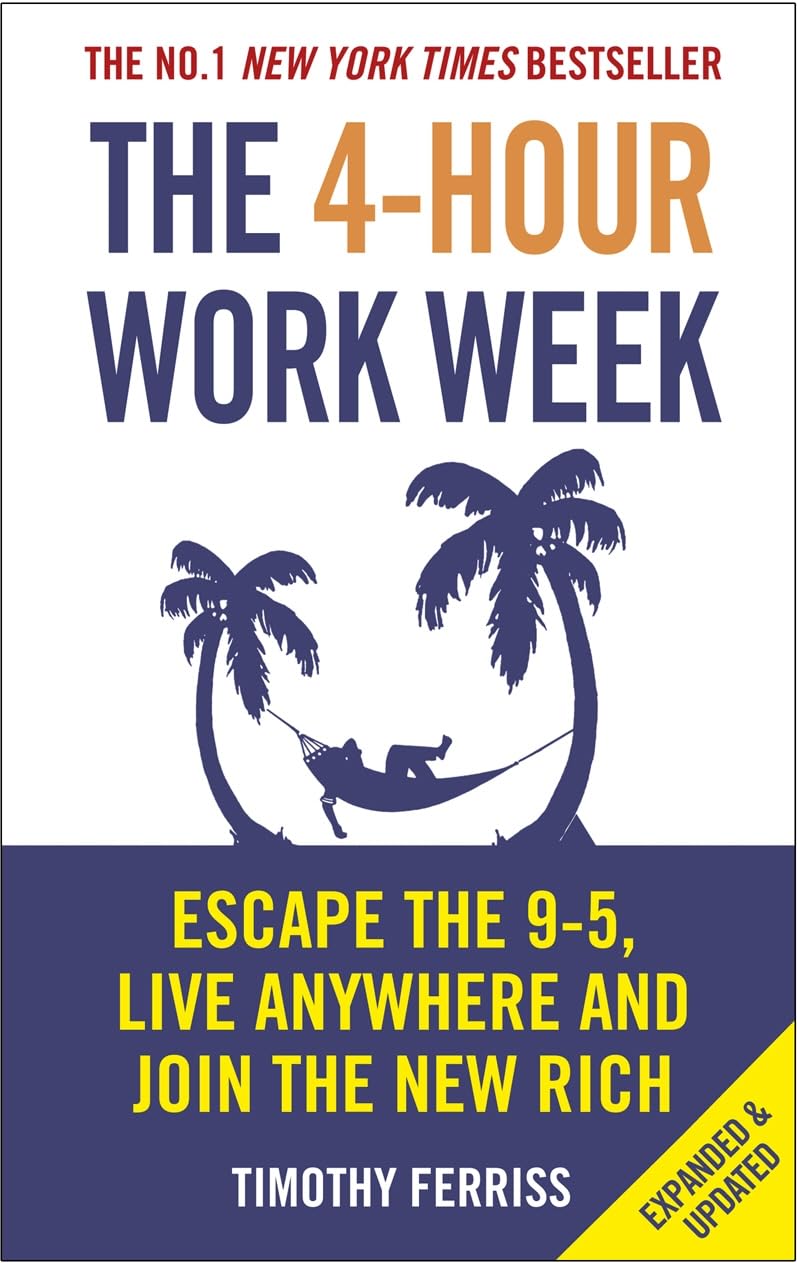
The 4-Hour Workweek book cover
Buy on Amazon

Affiliate link — I may earn a commission at no extra cost to you.

The 4-Hour Workweek

This is one of the most influential books I’ve read when it comes to rethinking how work and income actually fit together. It challenges the default assumption that more hours automatically lead to more progress — and replaces it with a far more effective way of thinking about leverage, time, and output.

What makes it powerful isn’t the idea of “working four hours a week”. It’s the shift toward designing income and systems that don’t rely entirely on your constant effort. That change in thinking alone can completely alter how you approach building anything online or offline.

Why it’s worth reading:

  • It reframes how you think about time, work, and productivity
  • It introduces leverage, automation, and systems in a practical way
  • It pushes you to question the default “work more to earn more” model
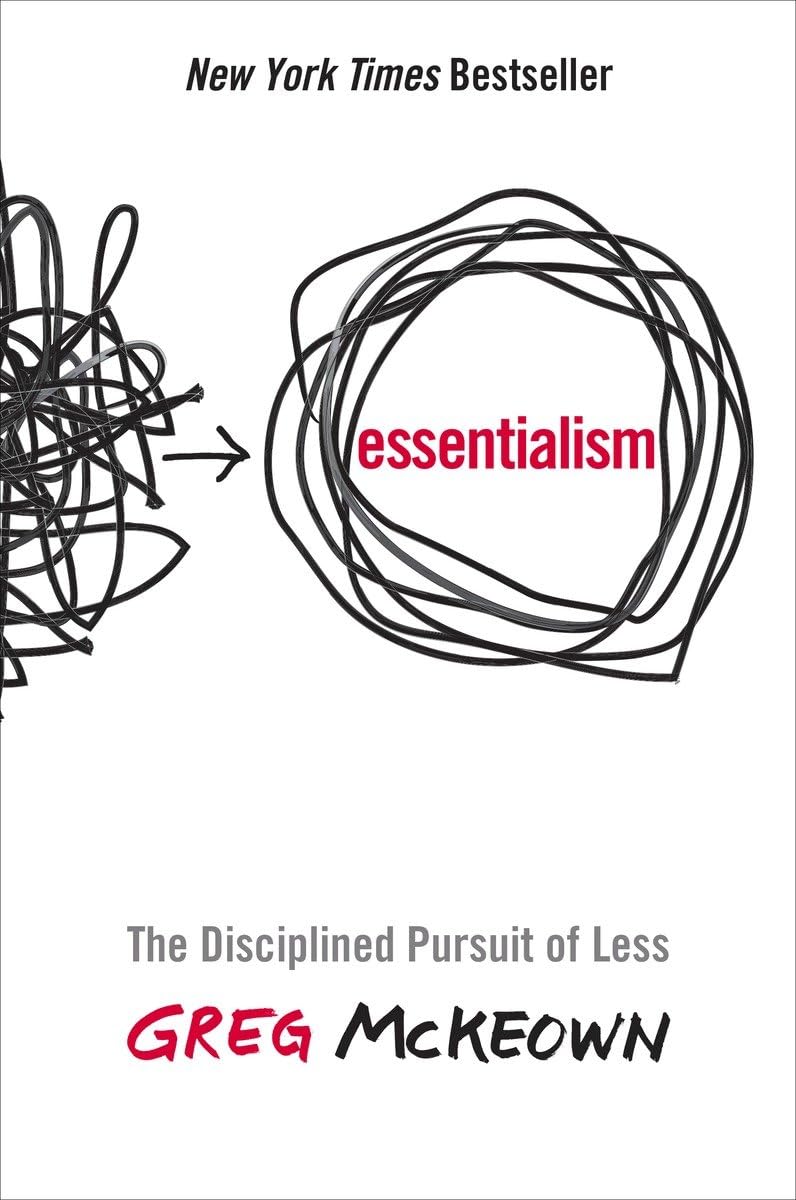
Essentialism book cover
Buy on Amazon

Affiliate link — I may earn a commission at no extra cost to you.

Essentialism

Most people struggle not because they’re doing too little, but because they’re trying to do too much at once. This book cuts straight through that problem and offers a far more effective approach: focus on fewer things, and execute them properly.

The real value here is in how practical it is. Whether you’re building a business, creating content, or trying to make progress alongside a full-time job, it helps you prioritise what actually matters and remove everything that doesn’t.

Why it’s worth reading:

  • It helps you identify and focus on what truly moves the needle
  • It removes the pressure to do everything at once
  • It reinforces disciplined decision-making and clear priorities
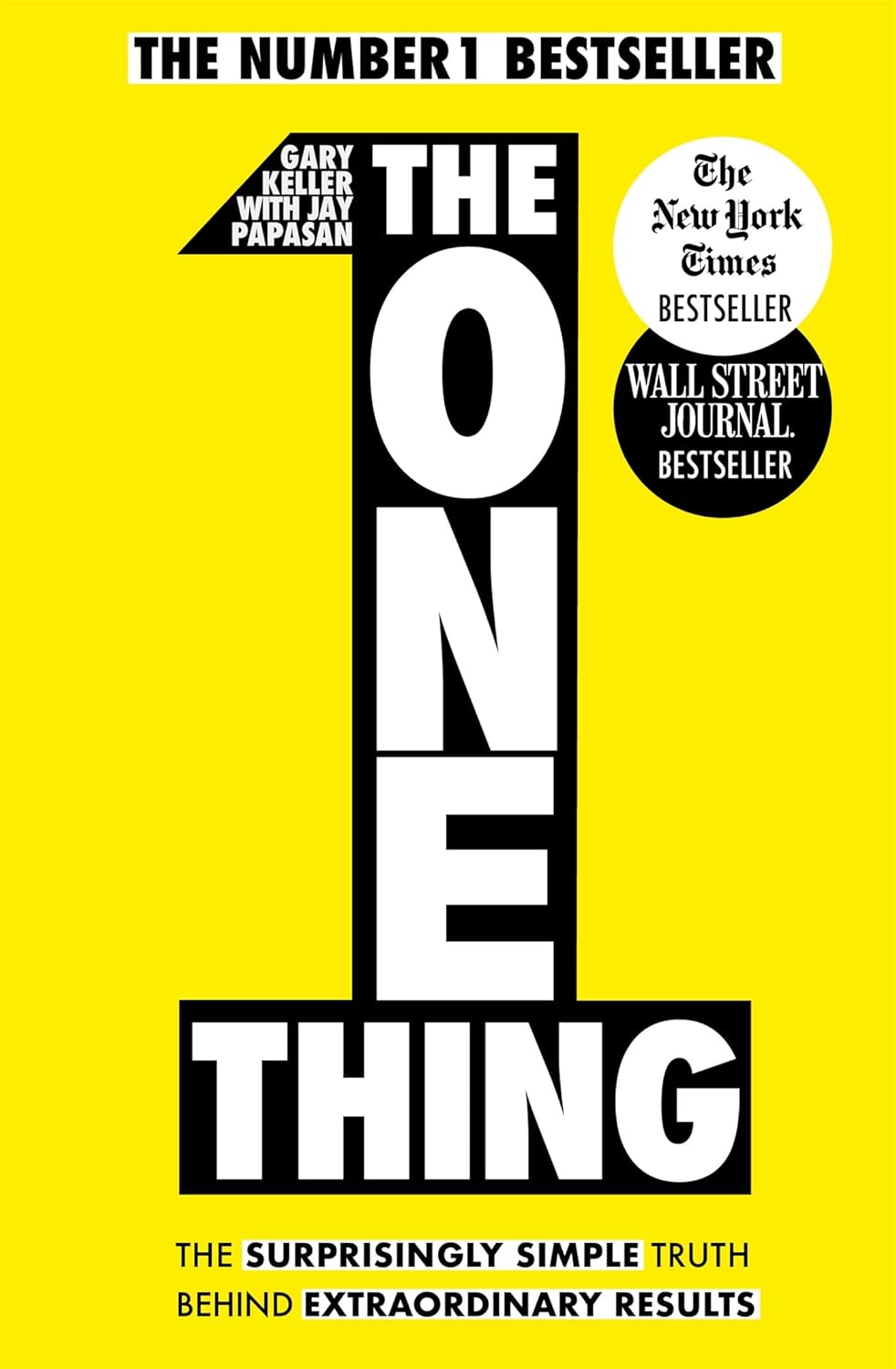
The One Thing book cover
Buy on Amazon

Affiliate link — I may earn a commission at no extra cost to you.

The One Thing

This book completely changes how you think about productivity and progress. Most people spread their effort across too many goals, too many projects, and too many distractions — then wonder why nothing compounds properly. The One Thing cuts through that noise with a brutally simple idea: identify the single action that makes everything else easier, unnecessary, or more effective.

What makes this book so valuable is how practical the concept becomes once you apply it seriously. Whether you're building a business, growing a website, improving your finances, or training for performance, massive progress usually comes from doing a few critical things exceptionally well — not from trying to optimise everything at once.

Why it’s worth reading:

  • It helps you focus on the actions that create disproportionate results
  • It removes the distraction of trying to do everything simultaneously
  • It reinforces deep focus, prioritisation, and long-term compounding
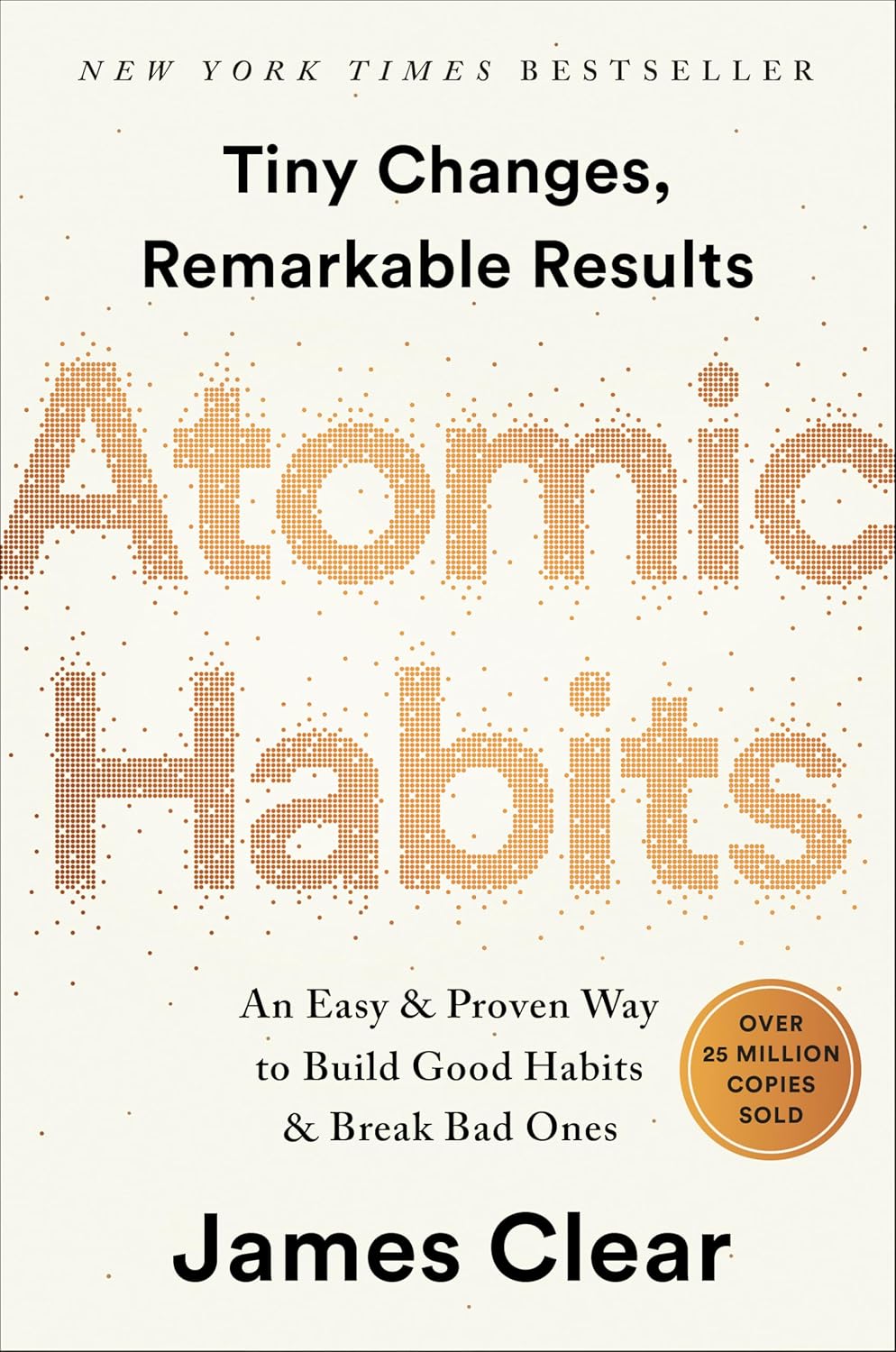
Atomic Habits book cover
Buy on Amazon

Affiliate link — I may earn a commission at no extra cost to you.

Atomic Habits

This is one of the best books I’ve read on behaviour change and long-term self-improvement. Most people dramatically overestimate what they can achieve through short bursts of motivation, while completely underestimating what small repeated actions can turn into over time. Atomic Habits explains that difference exceptionally well.

What makes this book powerful is that it shifts the focus away from willpower and toward systems, environment, and identity. Instead of constantly trying to force better behaviour, it shows how to build habits that become increasingly automatic — which is far more sustainable in the long run. Whether you're trying to build a business, improve your health, create content consistently, or simply become more disciplined, the ideas in this book are immediately useful.

Why it’s worth reading:

  • It explains how small repeated actions create massive long-term results
  • It focuses on systems and identity rather than relying on motivation alone
  • It gives practical ways to build good habits and eliminate destructive ones
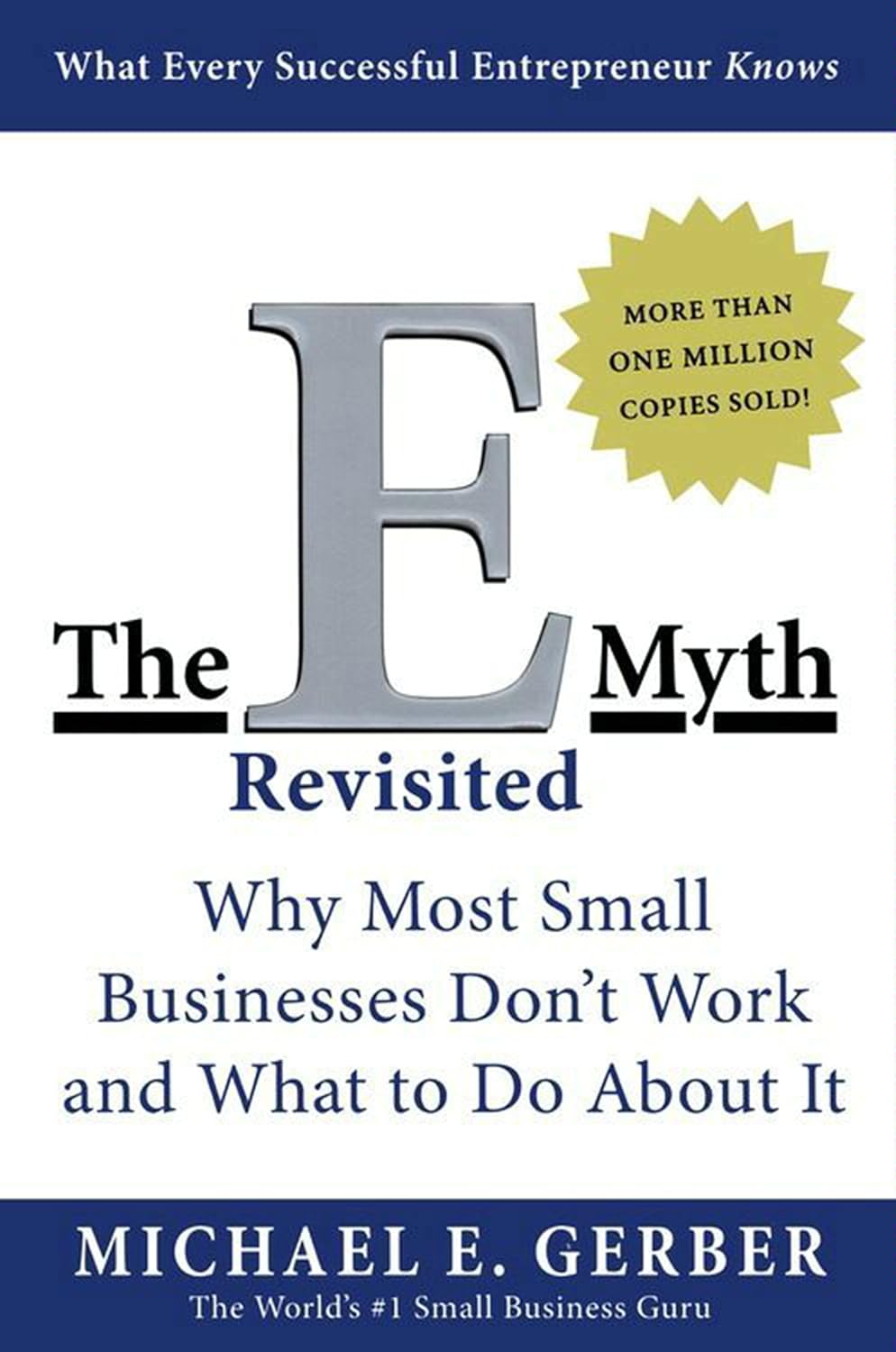
The E-Myth Revisited book cover
Buy on Amazon

Affiliate link — I may earn a commission at no extra cost to you.

The E-Myth Revisited

This is one of the most important books I’ve read on business structure and scalability. Most people think they’re building a business when in reality they’re just creating a more stressful job for themselves. The E-Myth Revisited exposes that trap brilliantly.

The core lesson is simple but incredibly powerful: if everything depends on you personally, you don’t truly own a business — you own a workload. The book pushes you to think in terms of systems, processes, and repeatability instead of constant manual effort. That mindset shift becomes critical if you want something that can actually scale, operate consistently, or eventually run without your direct involvement in every decision.

Why it’s worth reading:

  • It explains why most small businesses become exhausting self-created jobs
  • It teaches the importance of systems, processes, and operational consistency
  • It helps you think about building scalable businesses instead of dependency-based work
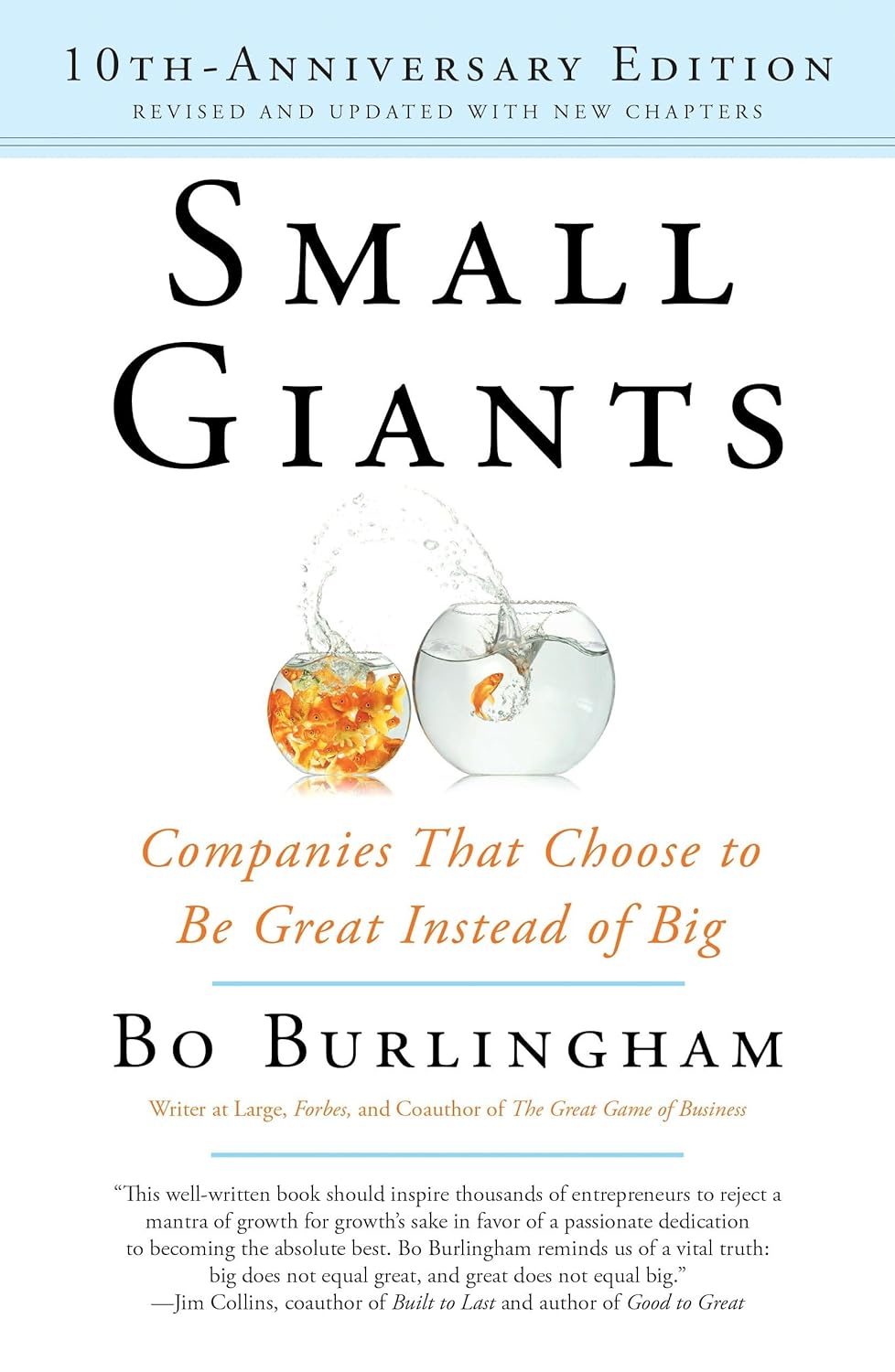
Small Giants book cover
Buy on Amazon

Affiliate link — I may earn a commission at no extra cost to you.

Small Giants

This book offers a completely different perspective on what success in business can actually look like. In a world obsessed with endless scale, rapid growth, and chasing bigger numbers at all costs, Small Giants highlights companies that deliberately chose a different path — building exceptional businesses around quality, culture, independence, and long-term sustainability instead.

What makes this book so valuable is that it challenges the assumption that bigger automatically means better. Some businesses grow themselves into chaos, complexity, and burnout. The companies in this book focus on building something excellent, profitable, and deeply aligned with their values. For anyone building a business, especially independently, it’s an important reminder that you should design the business around the life you actually want — not just around growth for the sake of growth.

Why it’s worth reading:

  • It challenges the idea that maximum growth should always be the goal
  • It highlights the importance of culture, quality, and long-term thinking
  • It encourages building a business that supports your ideal life — not consumes it
Blue Ocean Strategy book cover
Buy on Amazon

Affiliate link — I may earn a commission at no extra cost to you.

Blue Ocean Strategy

This book fundamentally changes how you think about competition. Most businesses fight inside overcrowded markets where everyone is copying each other, competing on price, and battling for tiny advantages. Blue Ocean Strategy argues that the real opportunity often comes from stepping outside that fight entirely and creating something meaningfully different instead.

What makes this book so valuable is that it pushes you to stop thinking purely in terms of beating competitors and start thinking about creating new demand. Instead of asking, “How do we do this slightly better?”, it encourages a far more powerful question: “How do we make the competition less relevant altogether?” That shift in thinking can completely change how you approach products, services, marketing, and positioning.

Why it’s worth reading:

  • It teaches how to escape overcrowded, highly competitive markets
  • It encourages innovation through differentiation rather than price competition
  • It helps you think strategically about creating entirely new opportunities
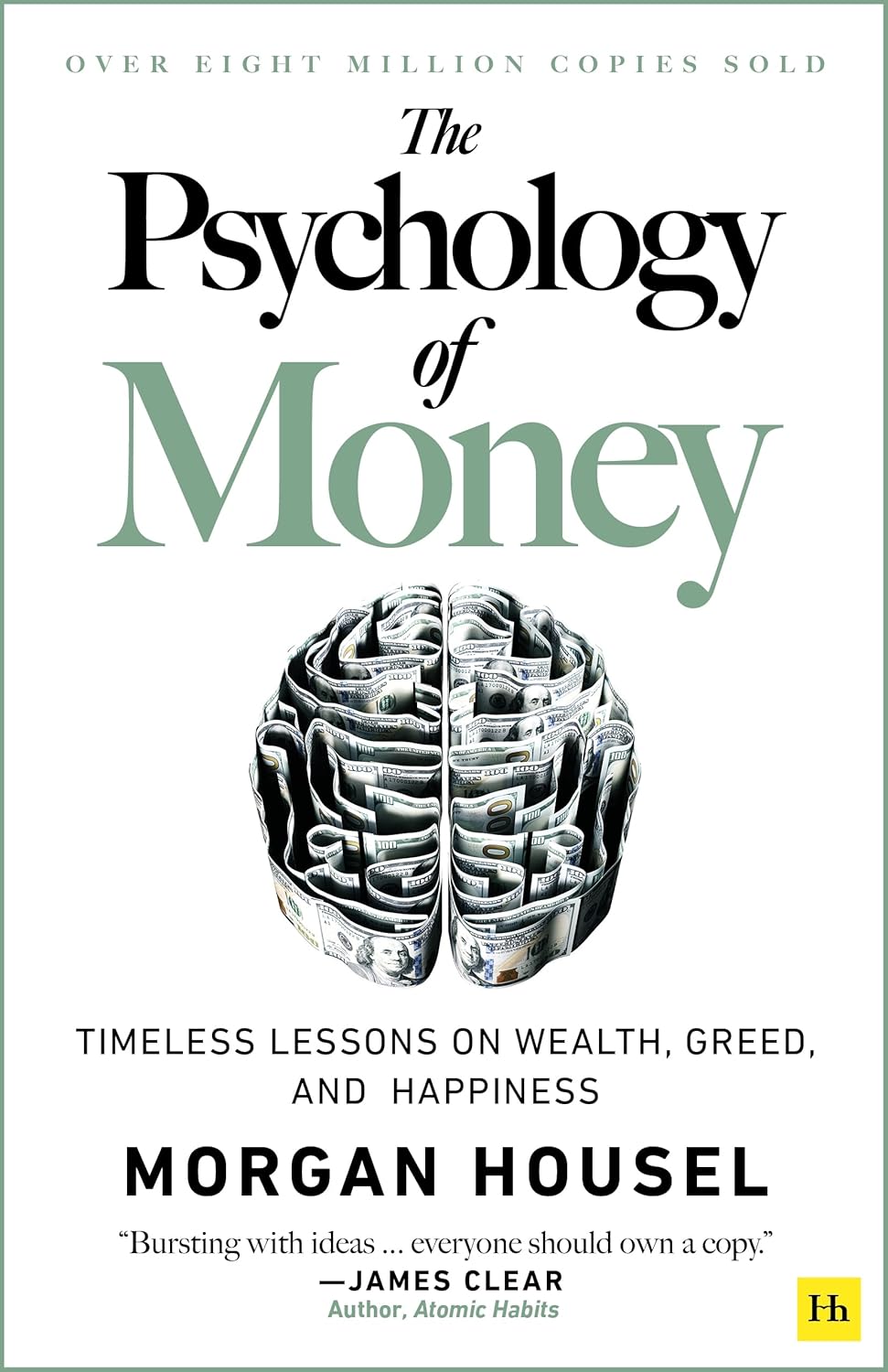
The Psychology of Money book cover
Buy on Amazon

Affiliate link — I may earn a commission at no extra cost to you.

The Psychology of Money

This is one of the smartest books I’ve read on wealth, decision-making, and long-term financial thinking. Most financial advice focuses on numbers, tactics, and optimisation, but The Psychology of Money highlights something far more important: your behaviour around money often matters more than your technical knowledge.

What makes this book so powerful is how grounded and realistic it feels. It explains why intelligent people still make terrible financial decisions, why emotions quietly shape wealth far more than spreadsheets do, and why consistency and patience usually outperform constant chasing and overcomplication. It’s less about getting rich quickly and more about building a mindset that allows wealth to compound over decades without self-sabotage.

Why it’s worth reading:

  • It explains how behaviour and psychology influence financial outcomes
  • It reinforces the power of patience, consistency, and long-term thinking
  • It helps you avoid emotional decision-making that destroys compounding
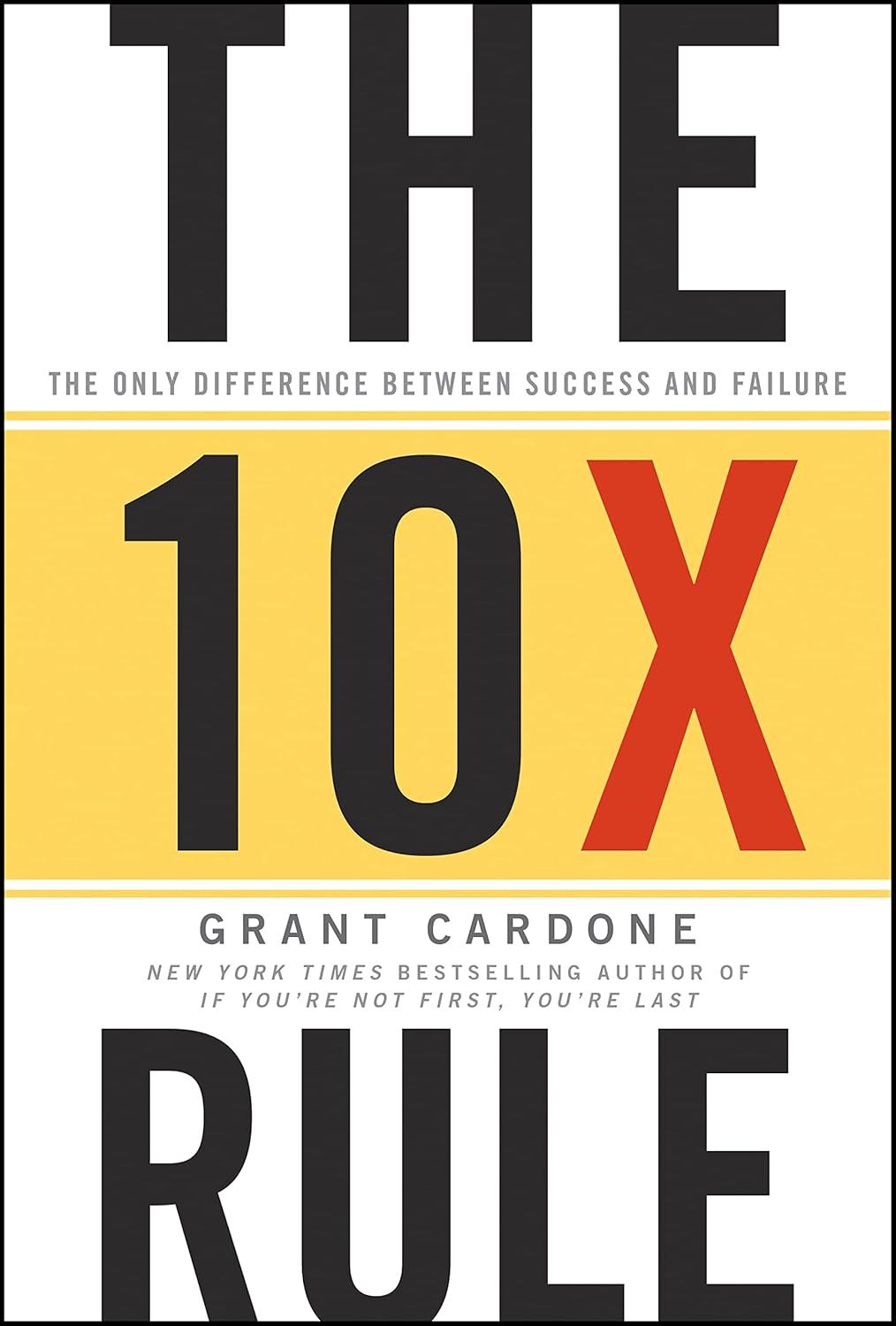
The 10X Rule book cover
Buy on Amazon

Affiliate link — I may earn a commission at no extra cost to you.

The 10X Rule

This is one of the most motivating business and mindset books I’ve ever read. When I was younger especially, this book had a huge impact on how aggressively I approached goals, work ethic, and personal responsibility. The 10X Rule pushes you to stop operating at half capacity and recognise that most people dramatically underestimate both the effort required to succeed and what they’re actually capable of achieving.

What makes the book powerful is the intensity behind it. It creates a strong bias toward action, urgency, and taking full ownership over results instead of waiting for perfect conditions. That mindset alone can genuinely change the trajectory of someone's career or business if they’ve been stuck overthinking instead of executing.

My only real criticism is that the philosophy can lean too heavily toward extreme input at all costs. Relentlessly trying to apply “10X” levels of time and energy to everything isn’t always realistic — especially if you're trying to build sustainable systems, balance other responsibilities, or create a business designed around leverage rather than constant overwork. Even so, the mindset shift and motivational impact of this book are incredibly valuable when applied intelligently.

Why it’s worth reading:

  • It builds an extremely strong bias toward action and execution
  • It challenges limiting assumptions around effort and ambition
  • It can massively increase your standards for personal responsibility and output
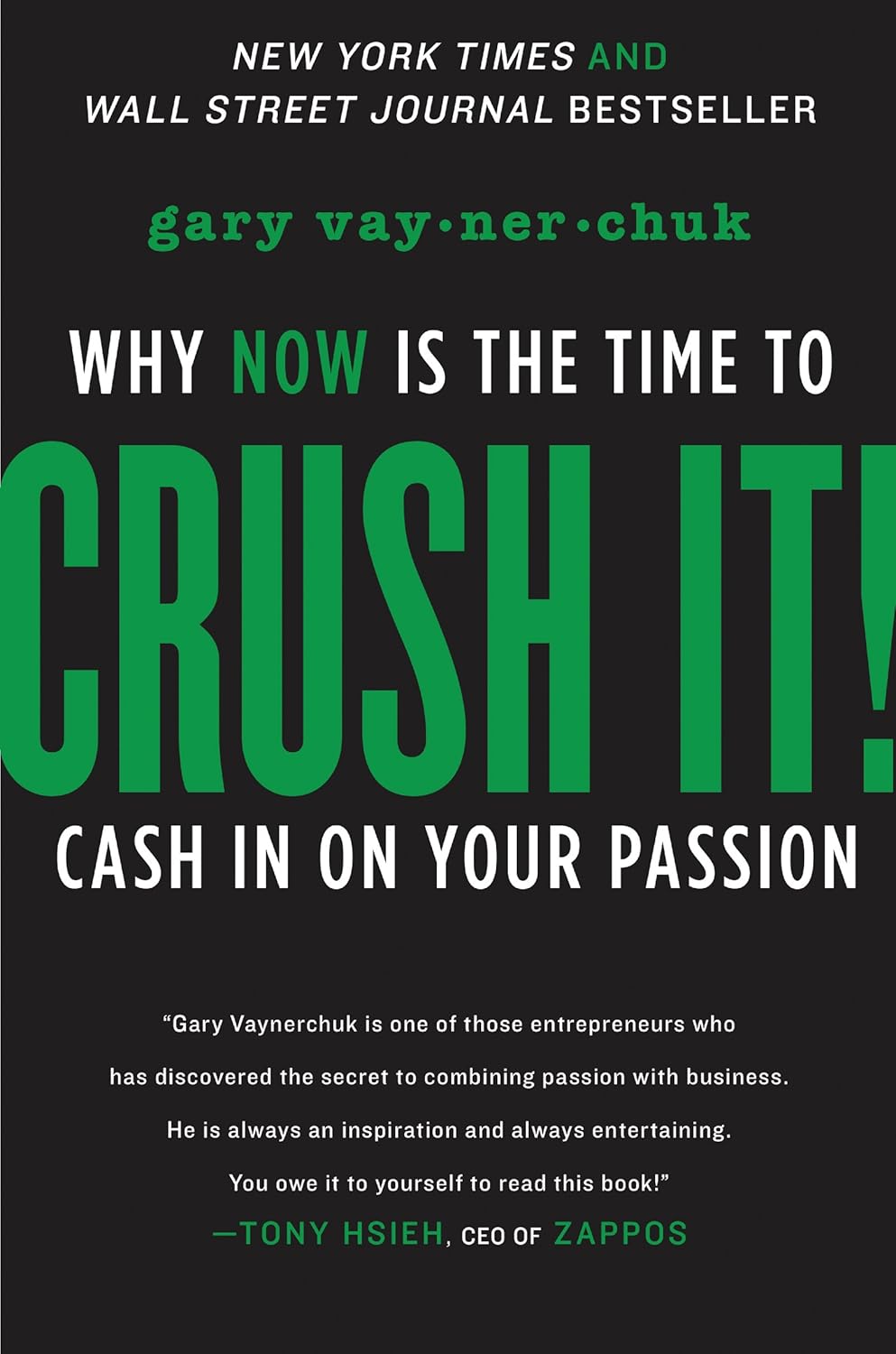
Crush It! book cover
Buy on Amazon

Affiliate link — I may earn a commission at no extra cost to you.

Crush It!

This was one of the early books that genuinely opened my eyes to the idea that you could build a business around content, attention, and personal interests online. Long before creator businesses became mainstream, Crush It! pushed the idea that individuals could use the internet to build audiences, create brands, and generate income without needing traditional gatekeepers.

What makes the book powerful is the energy behind it. Gary Vaynerchuk makes you feel like opportunities are everywhere if you’re willing to consistently create, learn attention, and put your work into the world. For a lot of people, especially in the early stages, that shift alone can be incredibly motivating because it changes the internet from something you consume into something you can build on.

Some of the platform-specific advice is naturally dated now because the online landscape has changed massively since the book was released. But the core principles still hold up extremely well: attention matters, consistency matters, authenticity matters, and building an audience around real interest can create enormous long-term opportunity.

Why it’s worth reading:

  • It encourages you to see the internet as a platform for building rather than just consuming
  • It reinforces the importance of consistency and audience-building
  • It’s highly motivating for anyone wanting to create a business around content or expertise
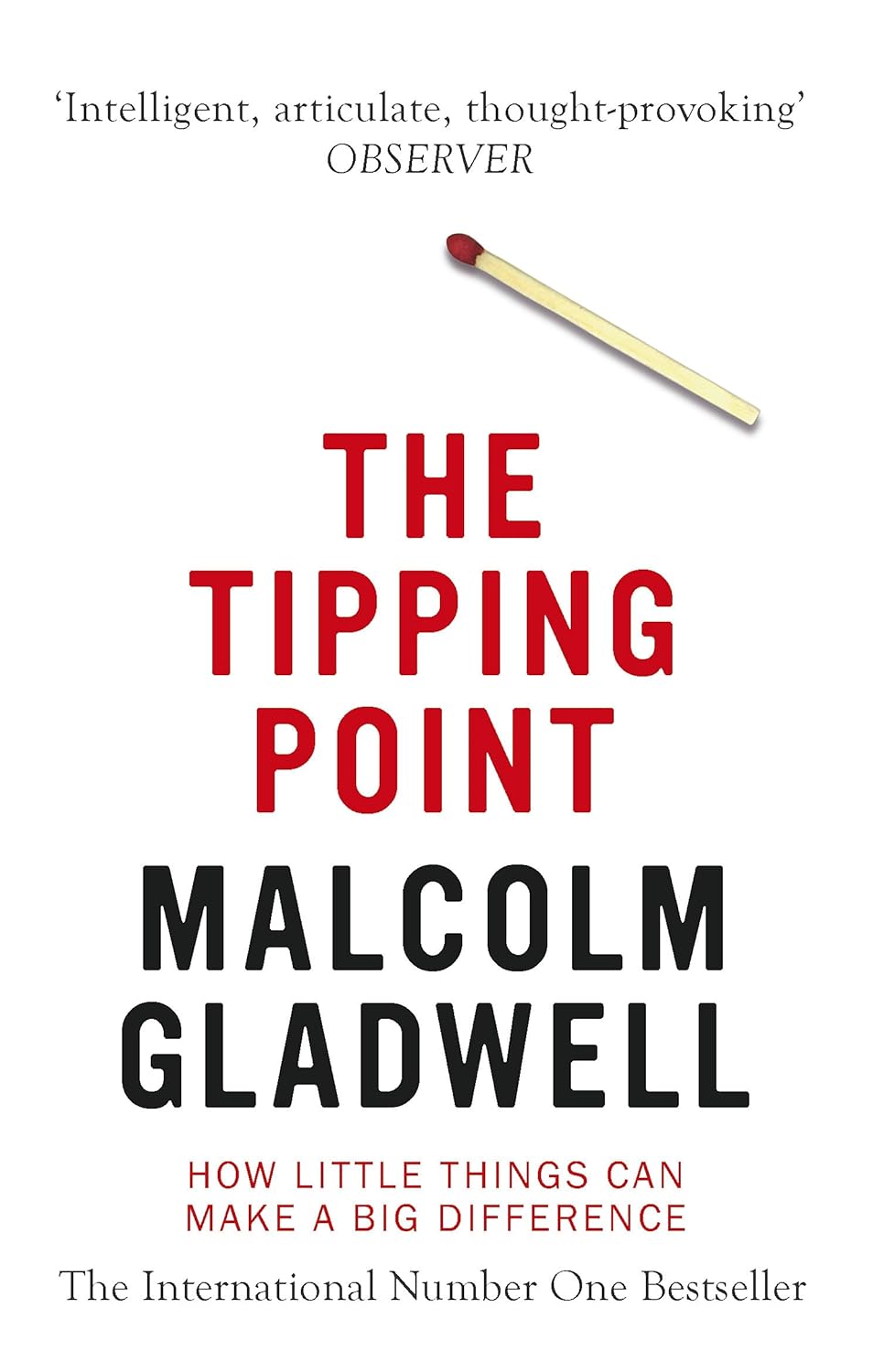
The Tipping Point book cover
Buy on Amazon

Affiliate link — I may earn a commission at no extra cost to you.

The Tipping Point

This book completely changes how you think about momentum, influence, and why certain ideas, products, or behaviours suddenly explode in popularity while others disappear unnoticed. The Tipping Point breaks down the hidden factors that cause trends and movements to spread — often far faster and less predictably than people expect.

What makes this book so interesting is that it teaches you to stop viewing growth as purely linear. Small changes in messaging, environment, timing, or distribution can sometimes create disproportionately large outcomes once something reaches critical momentum. That idea is incredibly relevant whether you're building a business, creating content online, growing an audience, or trying to spread an idea effectively.

One of the biggest takeaways for me was understanding that success often looks gradual right up until the moment it suddenly accelerates. That perspective alone can help you stay patient during the early stages of building something, when progress feels invisible but momentum may still be quietly accumulating underneath the surface.

Why it’s worth reading:

  • It explains how ideas, trends, and behaviours spread through groups and networks
  • It changes how you think about momentum and nonlinear growth
  • It offers powerful insights into marketing, influence, and audience behaviour
Scroll to Top