Affiliate Marketing

This section breaks down how websites attract organic traffic through SEO, content strategy, website structure, optimisation, and search-focused content ecosystems.

How Affiliate Monetisation Changes Across Different Niches

Affiliate monetisation does not work the same way in every niche. A website promoting web hosting, software or financial products has very different economics from a site promoting books, kitchen gadgets, fitness accessories or travel gear. The niche affects commission...

Read More

Building Affiliate Content Ecosystems That Convert

Affiliate content converts better when it works as a connected system, not a collection of isolated product posts. A strong affiliate ecosystem guides readers from problem awareness to buying criteria, comparisons, reviews, alternatives, trust-building content and the final click.

Read More

Why Affiliate Marketing Is Often a Volume Game

Affiliate marketing can work without huge traffic, but the maths often pushes it towards volume. When commissions are small, click-through rates are modest, conversion rates are outside your control, and many visitors are not ready to buy, you usually need...

Read More

Why Most Affiliate Websites Fail

Most affiliate websites do not fail because affiliate marketing is dead. They fail because they are built around commissions instead of readers, traffic instead of intent, and content volume instead of trust. The sites that survive are not just product...

Read More

Affiliate Marketing Without Huge Traffic

Affiliate marketing is often described as a traffic game, but huge traffic is not the only way to make affiliate content work. Smaller sites can still earn if they focus on buyer intent, niche relevance, trust, offer quality and content...

Read More

How to Build Trust in Affiliate Content

Affiliate content does not fail because readers hate affiliate links. It fails because readers do not trust the recommendation behind the link. Trust is the asset that makes affiliate content convert. Without it, even high-intent traffic becomes sceptical traffic.

Read More

Comparison Posts vs Review Posts

Comparison posts and review posts are both powerful affiliate content formats, but they are not the same thing. A review helps someone decide whether one product is worth buying. A comparison helps someone choose between realistic options. The format matters...

Read More

Types of Affiliate Content That Actually Work

Affiliate content works when the format matches the reader’s buying decision. The best affiliate pages are not just articles with links. They are decision-support assets that help readers compare, understand, choose, avoid mistakes, and take the next step with more...

Read More

What Makes an Affiliate Programme Worth Promoting

A good affiliate programme is not just one that pays well. It is one that fits your audience, protects your trust, converts reliably, and still makes commercial sense after the real-world friction is considered. The best affiliate programmes help your...

Read More

Where to Find Affiliate Programmes Worth Promoting

Finding affiliate programmes is easy. Finding affiliate programmes worth attaching your reputation to is much harder. The best affiliate opportunities are not always the ones with the highest commission rates. They are the ones that genuinely fit your audience, solve...

Read More

Understanding Affiliate Commission Structures

Affiliate commissions are not just “how much you get paid”. They shape the entire economics of an affiliate business. The commission structure affects how much traffic you need, what kind of content you create, which offers are worth promoting, how...

Read More

How Affiliate Marketing Actually Works

Affiliate marketing is not magic internet money. It is a referral-based business model where companies pay publishers, creators and website owners for sending them potential customers. The simple version sounds easy. The real version depends on trust, tracking, commission structures,...

Read More
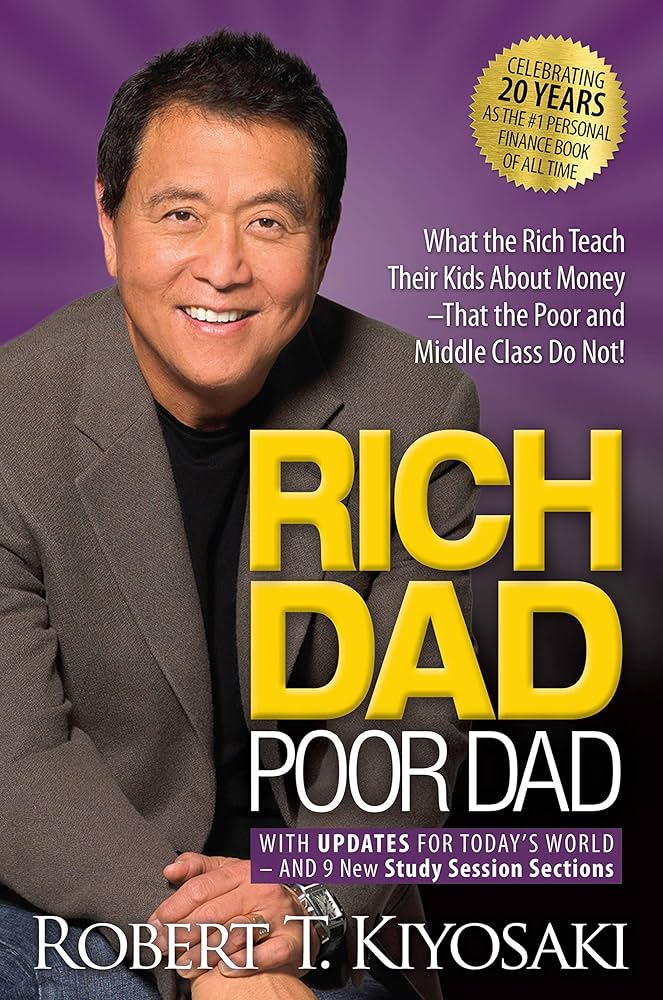
Rich Dad Poor Dad book cover
Buy on Amazon

Affiliate link — I may earn a commission at no extra cost to you.

Rich Dad Poor Dad

This is one of the most impactful books I’ve read when it comes to understanding how money actually works. It completely reframes the difference between earning income and building assets — and why that distinction matters far more than most people realise.

What makes it powerful isn’t that it gives you a step-by-step blueprint. It’s that it forces a shift in thinking — from working for money to building things that generate it. Once you see that properly, it’s very hard to go back to thinking in purely salary terms.

Why it’s worth reading:

  • It clearly explains the difference between assets and liabilities
  • It shifts your focus from income to ownership
  • It lays the foundation for thinking in terms of cash flow and long-term growth
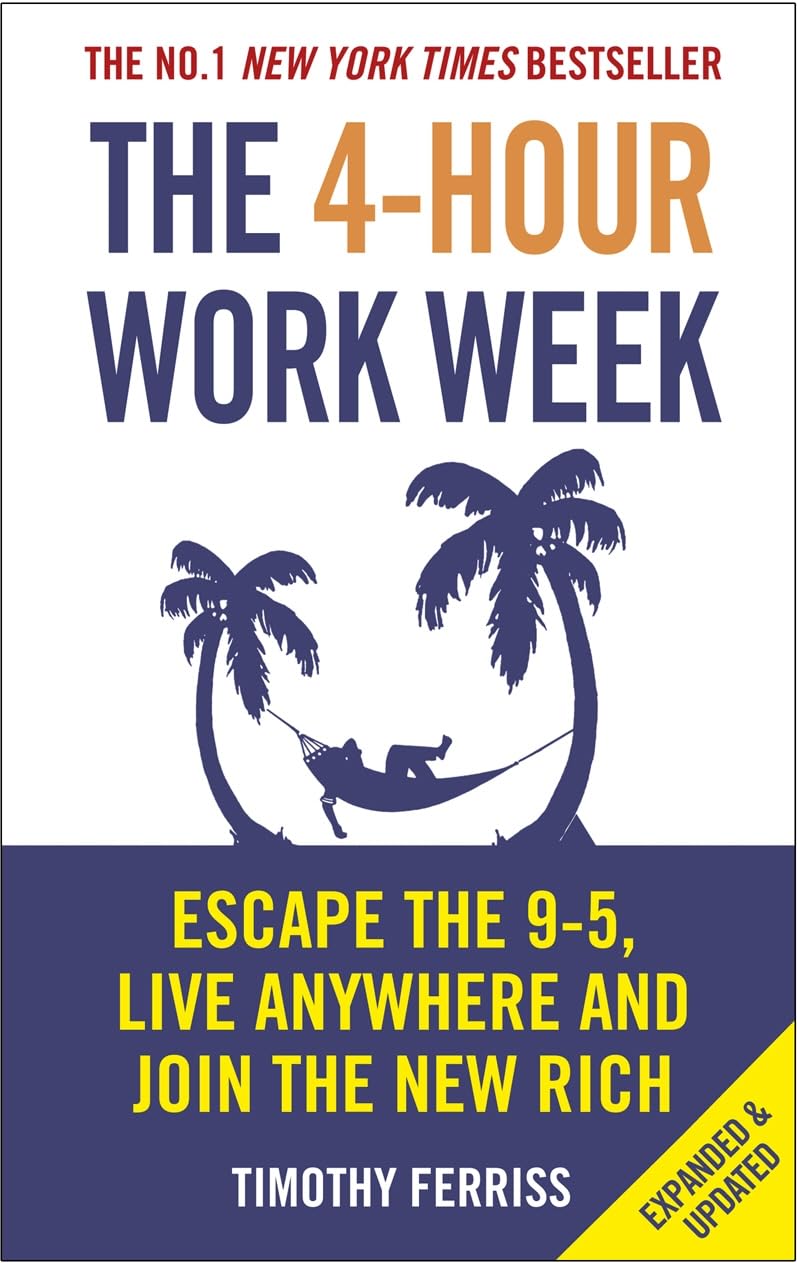
The 4-Hour Workweek book cover
Buy on Amazon

Affiliate link — I may earn a commission at no extra cost to you.

The 4-Hour Workweek

This is one of the most influential books I’ve read when it comes to rethinking how work and income actually fit together. It challenges the default assumption that more hours automatically lead to more progress — and replaces it with a far more effective way of thinking about leverage, time, and output.

What makes it powerful isn’t the idea of “working four hours a week”. It’s the shift toward designing income and systems that don’t rely entirely on your constant effort. That change in thinking alone can completely alter how you approach building anything online or offline.

Why it’s worth reading:

  • It reframes how you think about time, work, and productivity
  • It introduces leverage, automation, and systems in a practical way
  • It pushes you to question the default “work more to earn more” model
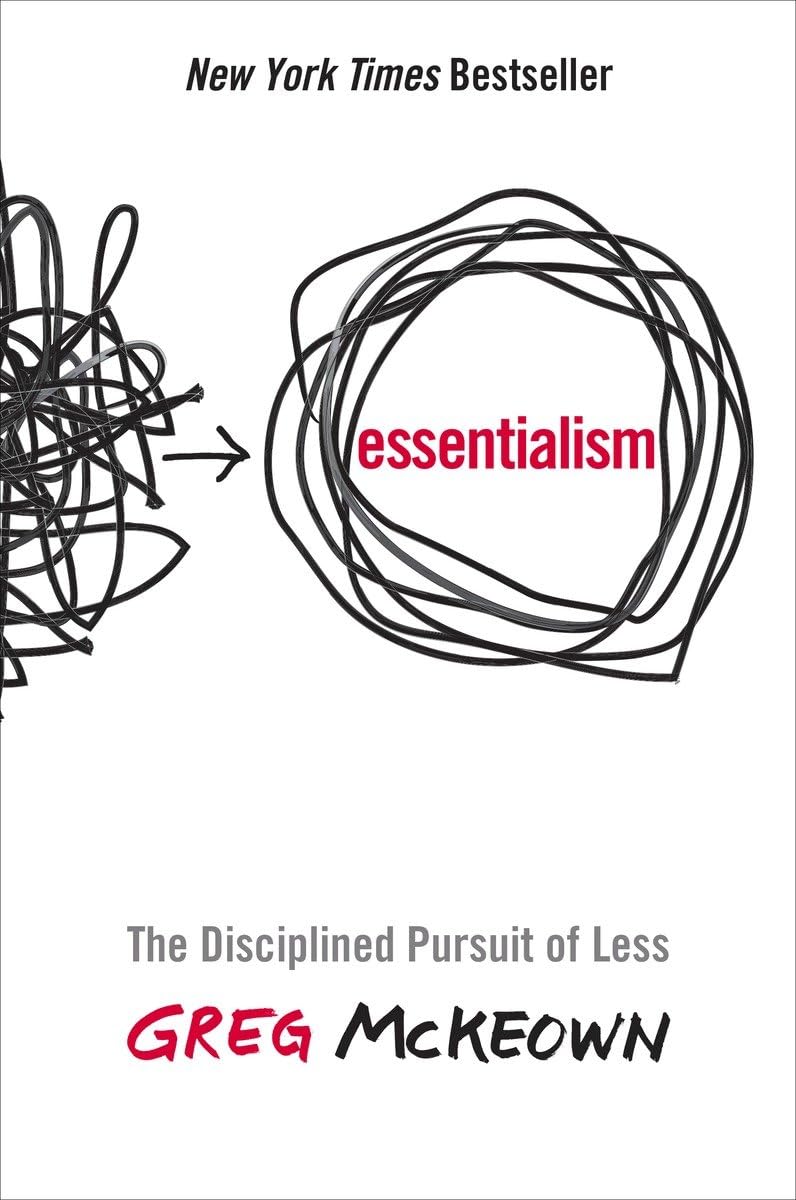
Essentialism book cover
Buy on Amazon

Affiliate link — I may earn a commission at no extra cost to you.

Essentialism

Most people struggle not because they’re doing too little, but because they’re trying to do too much at once. This book cuts straight through that problem and offers a far more effective approach: focus on fewer things, and execute them properly.

The real value here is in how practical it is. Whether you’re building a business, creating content, or trying to make progress alongside a full-time job, it helps you prioritise what actually matters and remove everything that doesn’t.

Why it’s worth reading:

  • It helps you identify and focus on what truly moves the needle
  • It removes the pressure to do everything at once
  • It reinforces disciplined decision-making and clear priorities
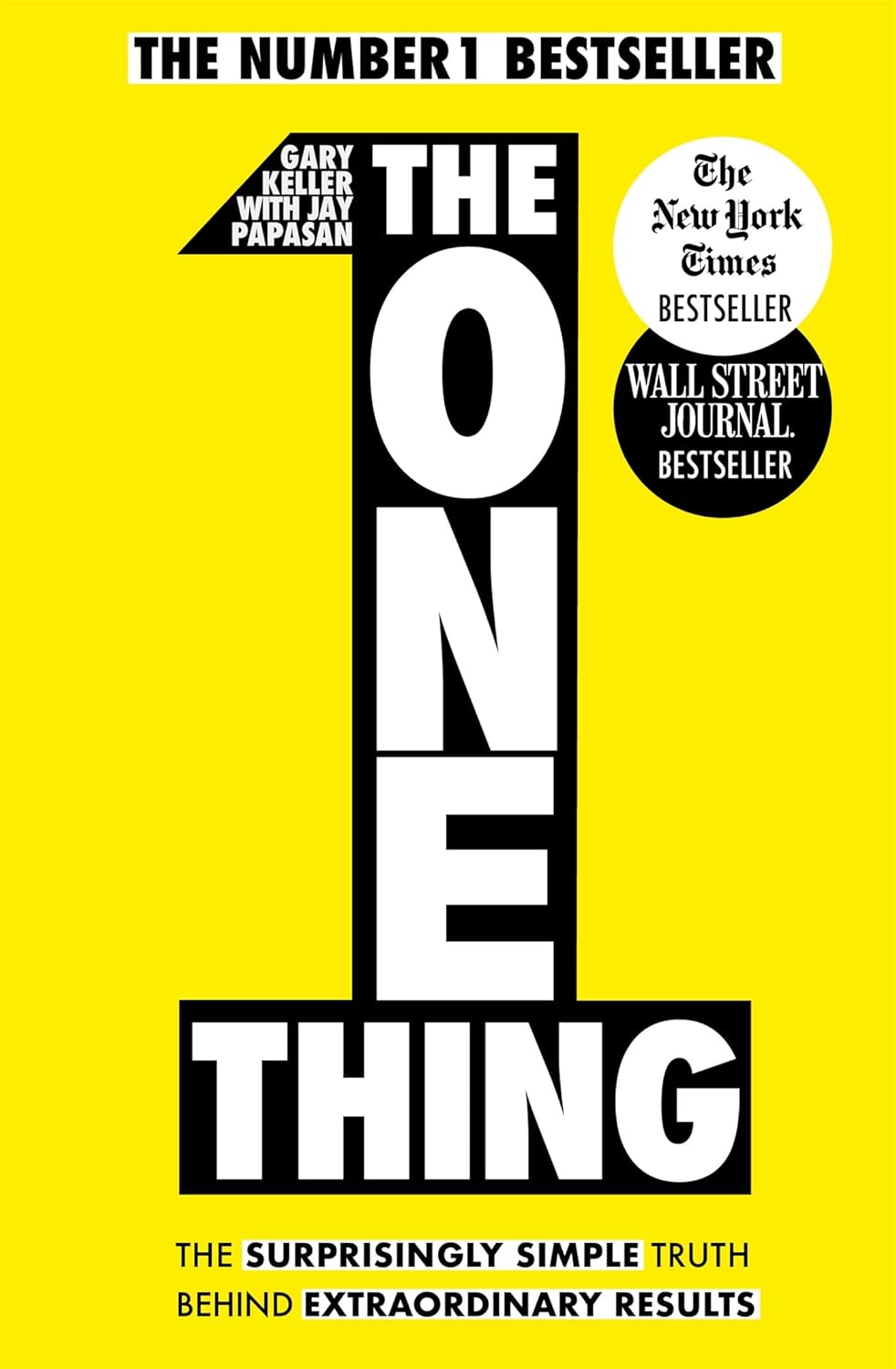
The One Thing book cover
Buy on Amazon

Affiliate link — I may earn a commission at no extra cost to you.

The One Thing

This book completely changes how you think about productivity and progress. Most people spread their effort across too many goals, too many projects, and too many distractions — then wonder why nothing compounds properly. The One Thing cuts through that noise with a brutally simple idea: identify the single action that makes everything else easier, unnecessary, or more effective.

What makes this book so valuable is how practical the concept becomes once you apply it seriously. Whether you're building a business, growing a website, improving your finances, or training for performance, massive progress usually comes from doing a few critical things exceptionally well — not from trying to optimise everything at once.

Why it’s worth reading:

  • It helps you focus on the actions that create disproportionate results
  • It removes the distraction of trying to do everything simultaneously
  • It reinforces deep focus, prioritisation, and long-term compounding
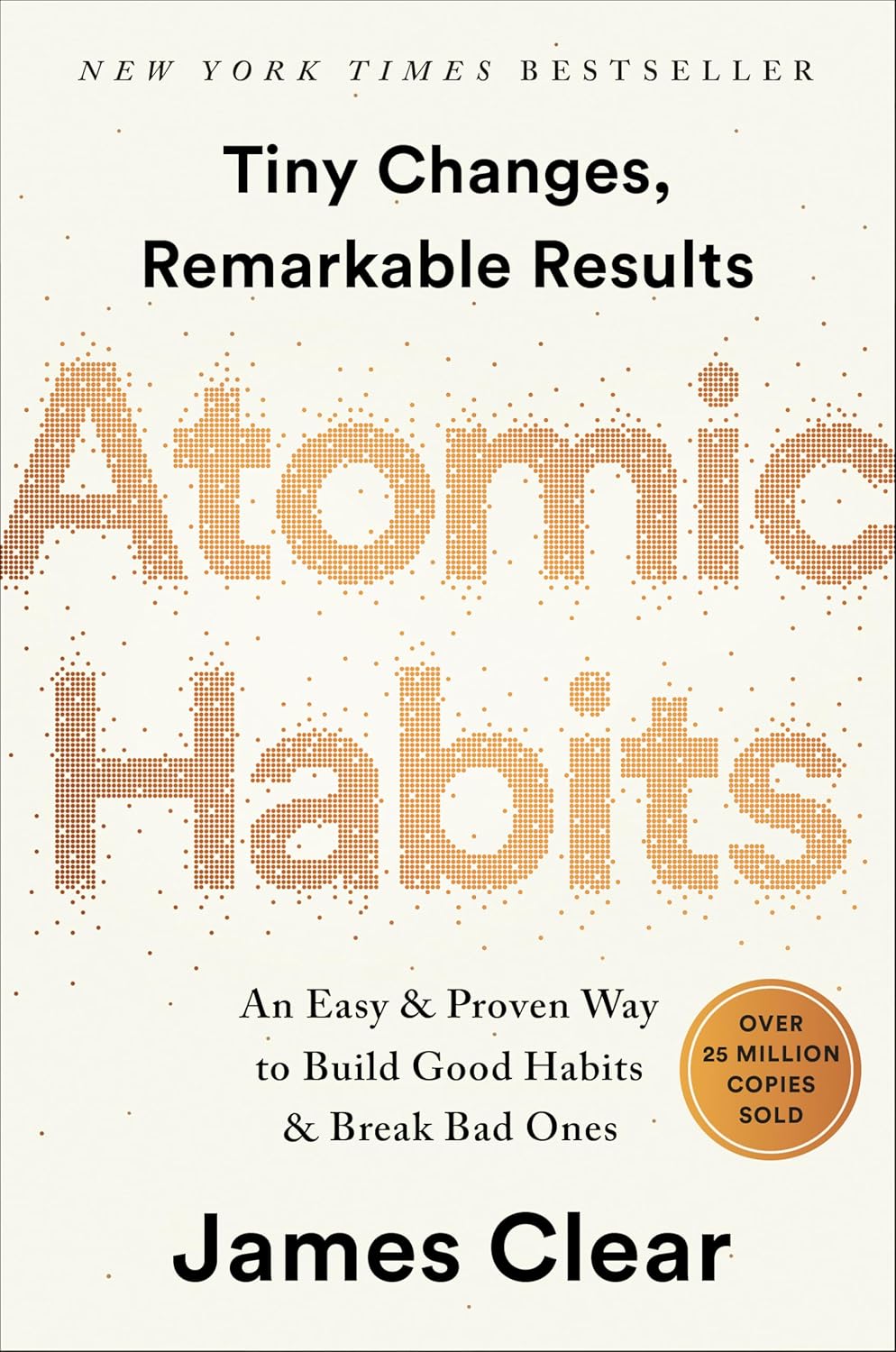
Atomic Habits book cover
Buy on Amazon

Affiliate link — I may earn a commission at no extra cost to you.

Atomic Habits

This is one of the best books I’ve read on behaviour change and long-term self-improvement. Most people dramatically overestimate what they can achieve through short bursts of motivation, while completely underestimating what small repeated actions can turn into over time. Atomic Habits explains that difference exceptionally well.

What makes this book powerful is that it shifts the focus away from willpower and toward systems, environment, and identity. Instead of constantly trying to force better behaviour, it shows how to build habits that become increasingly automatic — which is far more sustainable in the long run. Whether you're trying to build a business, improve your health, create content consistently, or simply become more disciplined, the ideas in this book are immediately useful.

Why it’s worth reading:

  • It explains how small repeated actions create massive long-term results
  • It focuses on systems and identity rather than relying on motivation alone
  • It gives practical ways to build good habits and eliminate destructive ones
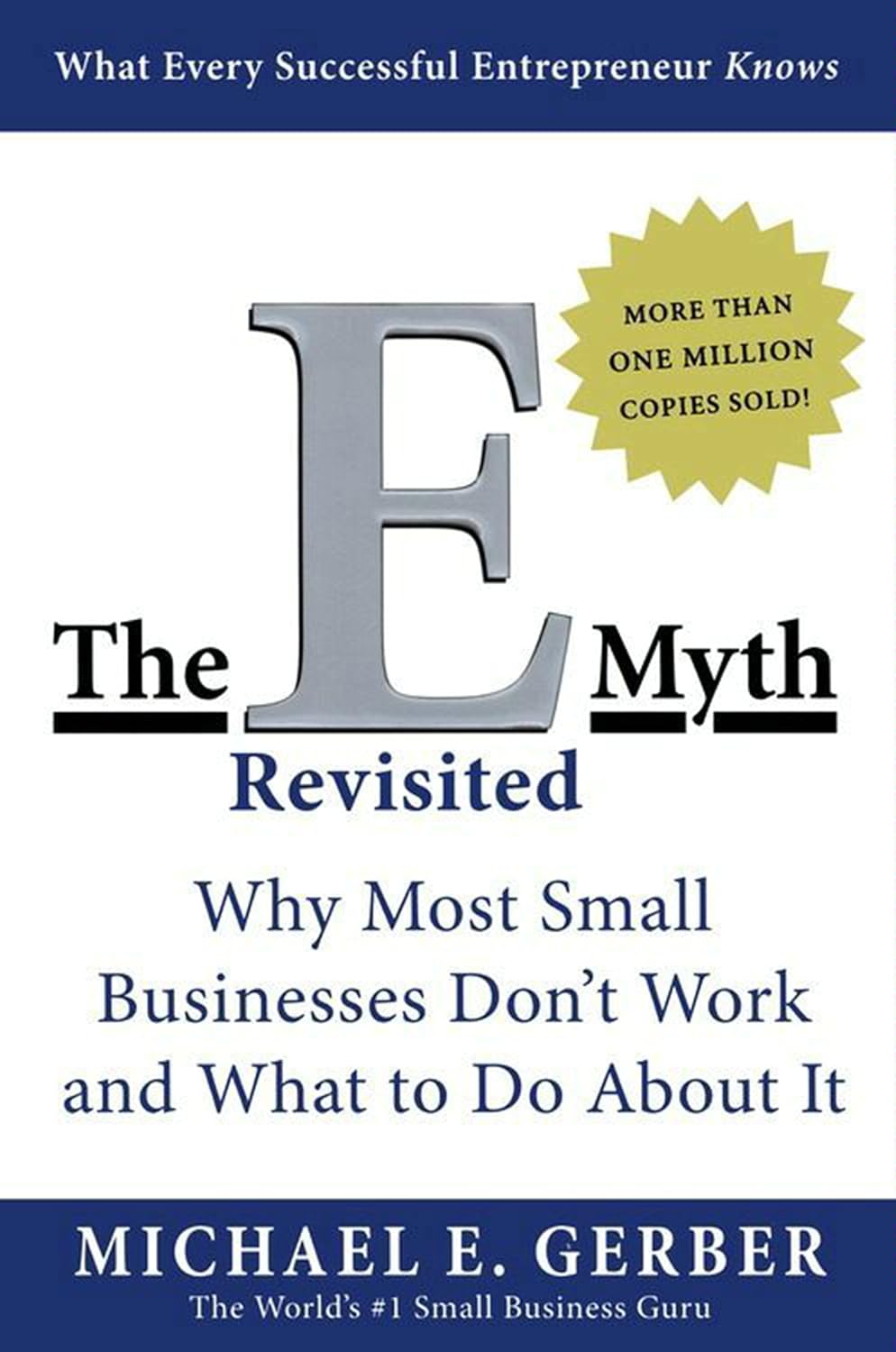
The E-Myth Revisited book cover
Buy on Amazon

Affiliate link — I may earn a commission at no extra cost to you.

The E-Myth Revisited

This is one of the most important books I’ve read on business structure and scalability. Most people think they’re building a business when in reality they’re just creating a more stressful job for themselves. The E-Myth Revisited exposes that trap brilliantly.

The core lesson is simple but incredibly powerful: if everything depends on you personally, you don’t truly own a business — you own a workload. The book pushes you to think in terms of systems, processes, and repeatability instead of constant manual effort. That mindset shift becomes critical if you want something that can actually scale, operate consistently, or eventually run without your direct involvement in every decision.

Why it’s worth reading:

  • It explains why most small businesses become exhausting self-created jobs
  • It teaches the importance of systems, processes, and operational consistency
  • It helps you think about building scalable businesses instead of dependency-based work
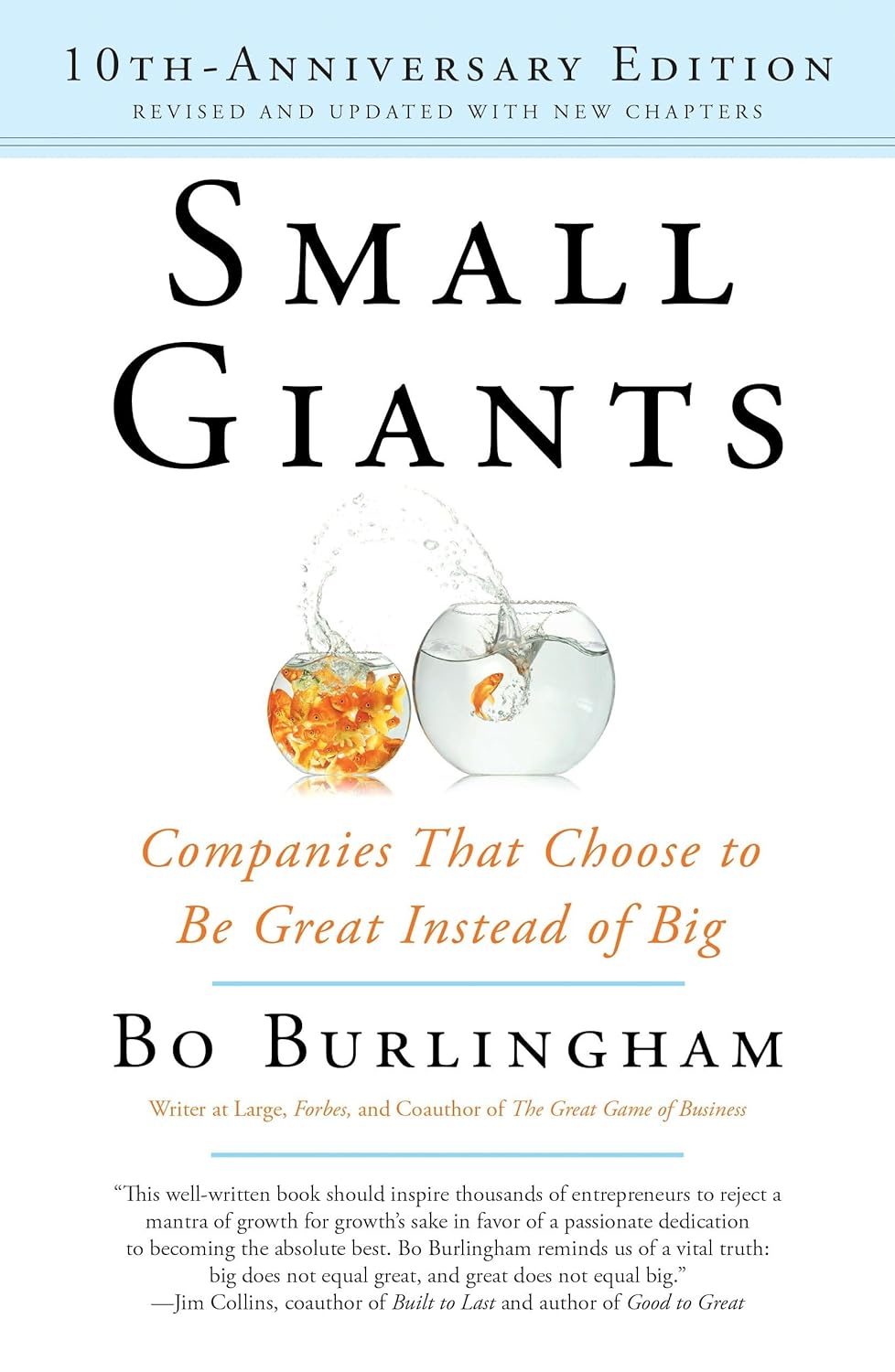
Small Giants book cover
Buy on Amazon

Affiliate link — I may earn a commission at no extra cost to you.

Small Giants

This book offers a completely different perspective on what success in business can actually look like. In a world obsessed with endless scale, rapid growth, and chasing bigger numbers at all costs, Small Giants highlights companies that deliberately chose a different path — building exceptional businesses around quality, culture, independence, and long-term sustainability instead.

What makes this book so valuable is that it challenges the assumption that bigger automatically means better. Some businesses grow themselves into chaos, complexity, and burnout. The companies in this book focus on building something excellent, profitable, and deeply aligned with their values. For anyone building a business, especially independently, it’s an important reminder that you should design the business around the life you actually want — not just around growth for the sake of growth.

Why it’s worth reading:

  • It challenges the idea that maximum growth should always be the goal
  • It highlights the importance of culture, quality, and long-term thinking
  • It encourages building a business that supports your ideal life — not consumes it
Blue Ocean Strategy book cover
Buy on Amazon

Affiliate link — I may earn a commission at no extra cost to you.

Blue Ocean Strategy

This book fundamentally changes how you think about competition. Most businesses fight inside overcrowded markets where everyone is copying each other, competing on price, and battling for tiny advantages. Blue Ocean Strategy argues that the real opportunity often comes from stepping outside that fight entirely and creating something meaningfully different instead.

What makes this book so valuable is that it pushes you to stop thinking purely in terms of beating competitors and start thinking about creating new demand. Instead of asking, “How do we do this slightly better?”, it encourages a far more powerful question: “How do we make the competition less relevant altogether?” That shift in thinking can completely change how you approach products, services, marketing, and positioning.

Why it’s worth reading:

  • It teaches how to escape overcrowded, highly competitive markets
  • It encourages innovation through differentiation rather than price competition
  • It helps you think strategically about creating entirely new opportunities
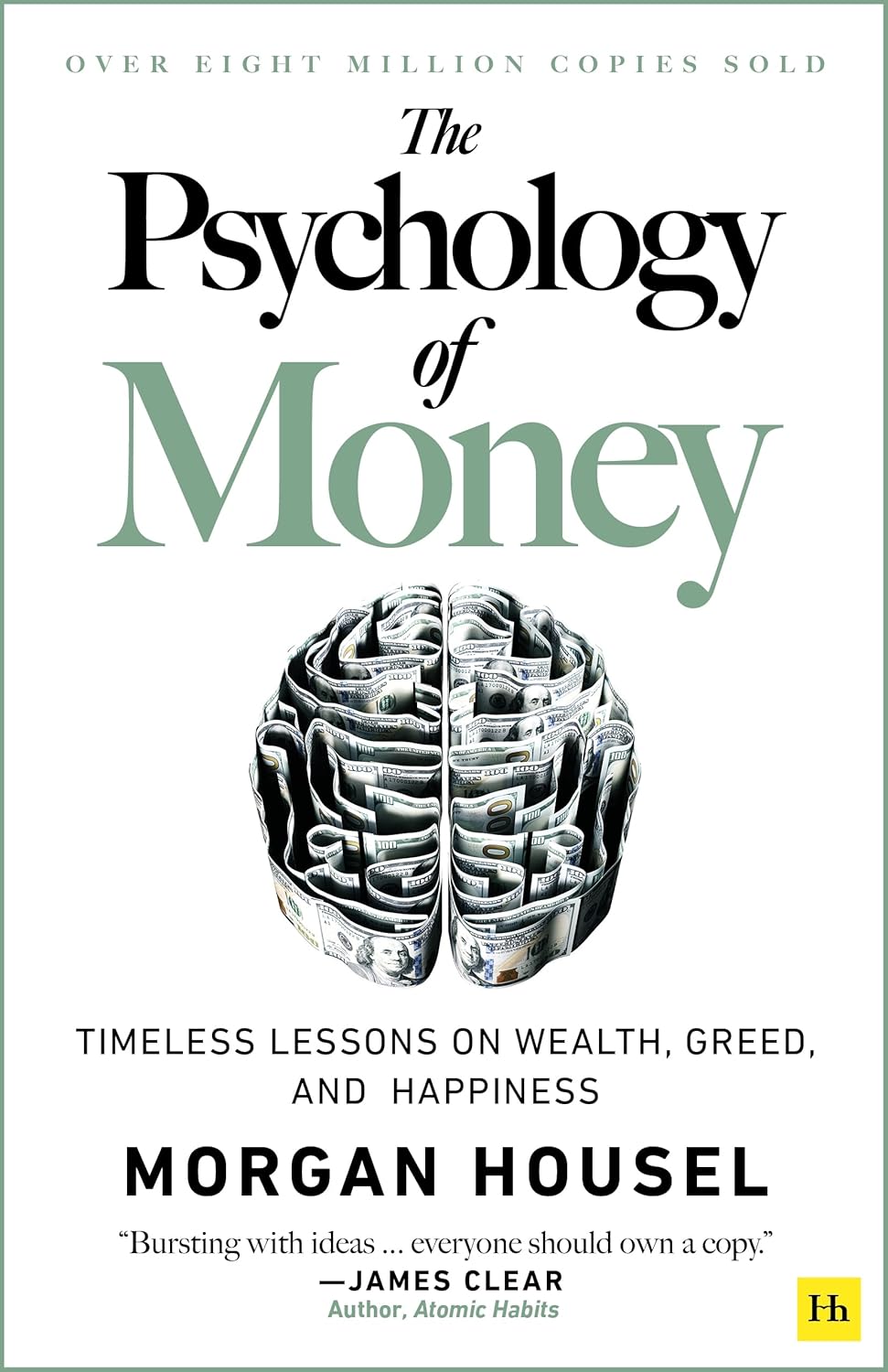
The Psychology of Money book cover
Buy on Amazon

Affiliate link — I may earn a commission at no extra cost to you.

The Psychology of Money

This is one of the smartest books I’ve read on wealth, decision-making, and long-term financial thinking. Most financial advice focuses on numbers, tactics, and optimisation, but The Psychology of Money highlights something far more important: your behaviour around money often matters more than your technical knowledge.

What makes this book so powerful is how grounded and realistic it feels. It explains why intelligent people still make terrible financial decisions, why emotions quietly shape wealth far more than spreadsheets do, and why consistency and patience usually outperform constant chasing and overcomplication. It’s less about getting rich quickly and more about building a mindset that allows wealth to compound over decades without self-sabotage.

Why it’s worth reading:

  • It explains how behaviour and psychology influence financial outcomes
  • It reinforces the power of patience, consistency, and long-term thinking
  • It helps you avoid emotional decision-making that destroys compounding
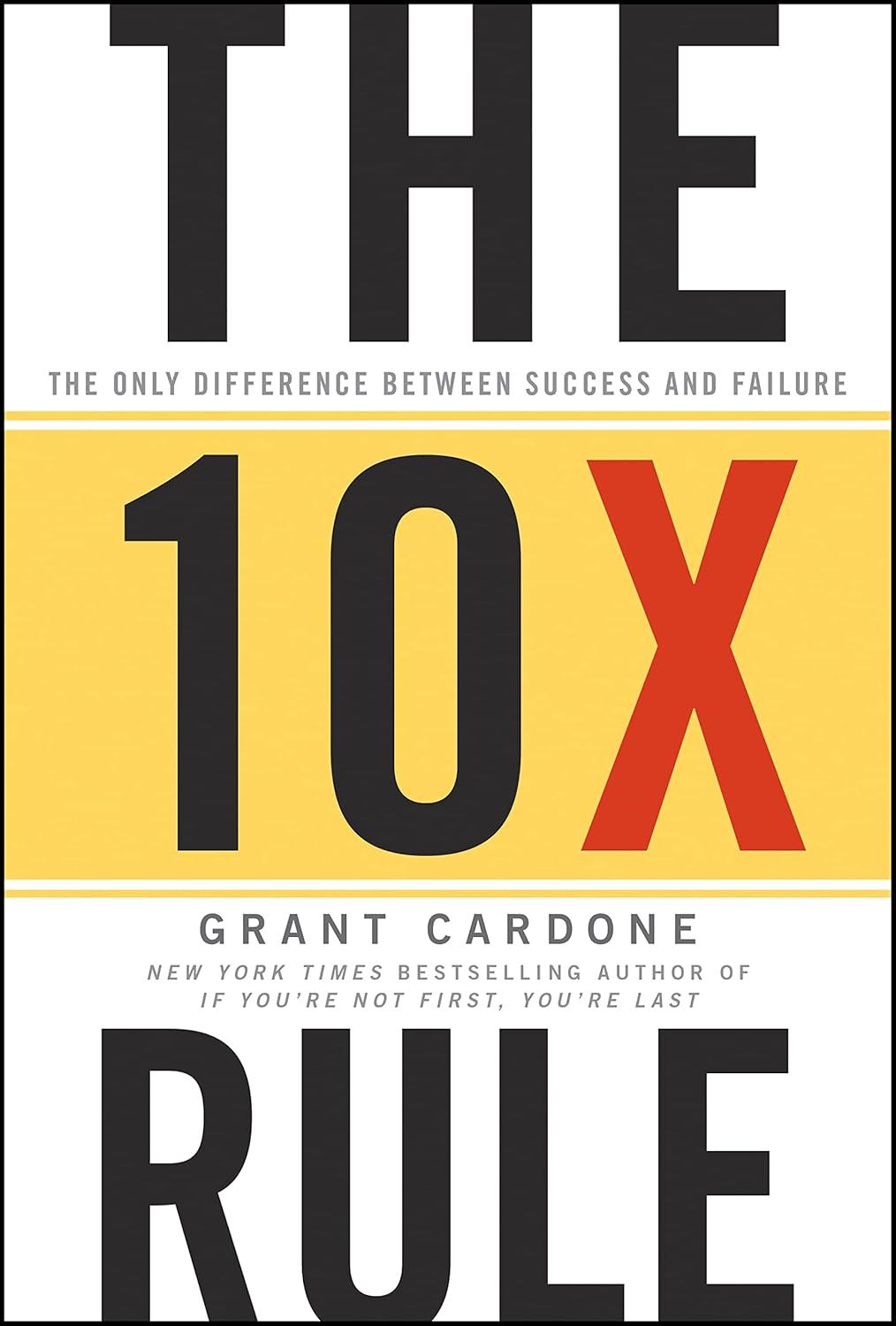
The 10X Rule book cover
Buy on Amazon

Affiliate link — I may earn a commission at no extra cost to you.

The 10X Rule

This is one of the most motivating business and mindset books I’ve ever read. When I was younger especially, this book had a huge impact on how aggressively I approached goals, work ethic, and personal responsibility. The 10X Rule pushes you to stop operating at half capacity and recognise that most people dramatically underestimate both the effort required to succeed and what they’re actually capable of achieving.

What makes the book powerful is the intensity behind it. It creates a strong bias toward action, urgency, and taking full ownership over results instead of waiting for perfect conditions. That mindset alone can genuinely change the trajectory of someone's career or business if they’ve been stuck overthinking instead of executing.

My only real criticism is that the philosophy can lean too heavily toward extreme input at all costs. Relentlessly trying to apply “10X” levels of time and energy to everything isn’t always realistic — especially if you're trying to build sustainable systems, balance other responsibilities, or create a business designed around leverage rather than constant overwork. Even so, the mindset shift and motivational impact of this book are incredibly valuable when applied intelligently.

Why it’s worth reading:

  • It builds an extremely strong bias toward action and execution
  • It challenges limiting assumptions around effort and ambition
  • It can massively increase your standards for personal responsibility and output
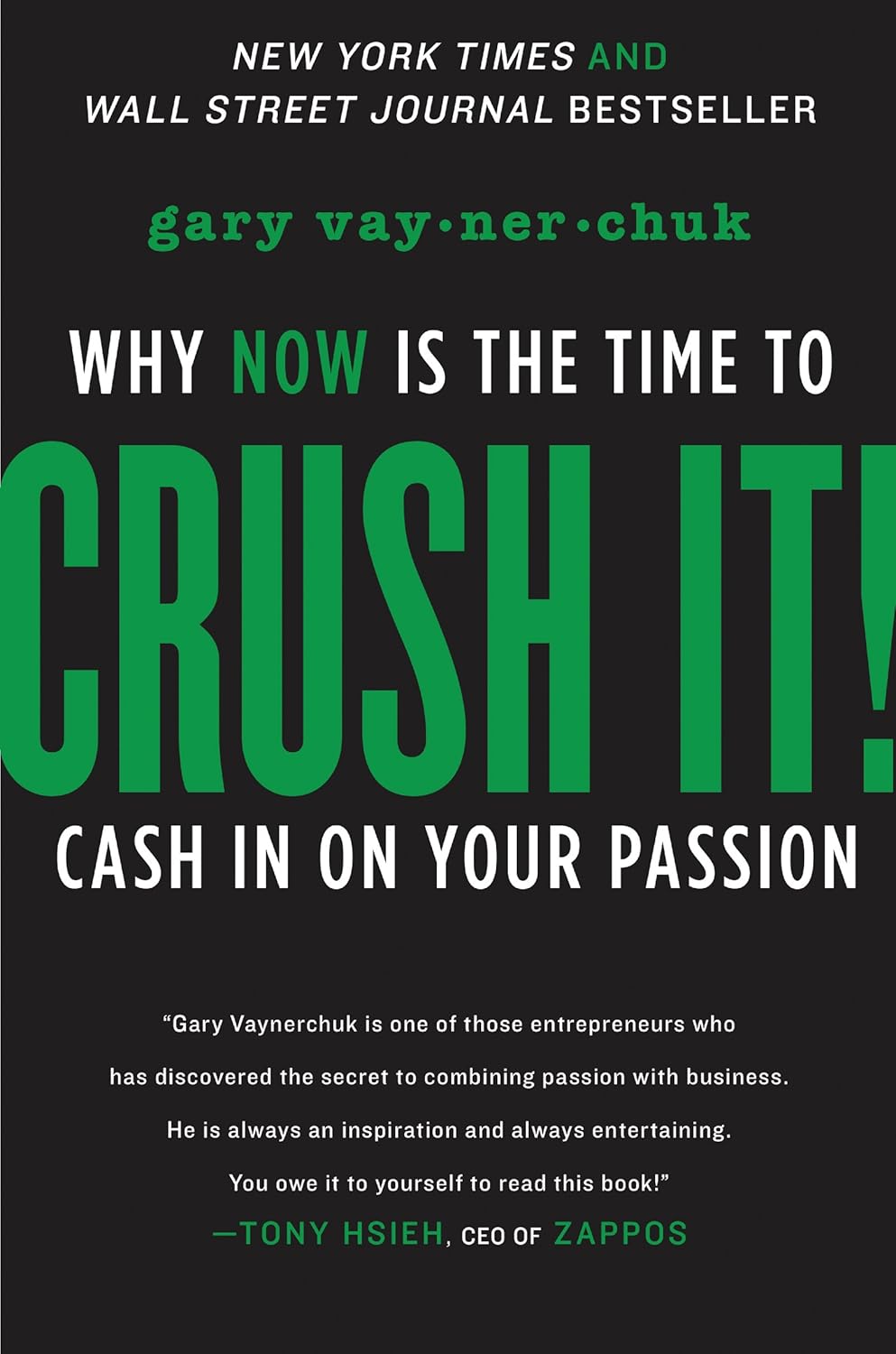
Crush It! book cover
Buy on Amazon

Affiliate link — I may earn a commission at no extra cost to you.

Crush It!

This was one of the early books that genuinely opened my eyes to the idea that you could build a business around content, attention, and personal interests online. Long before creator businesses became mainstream, Crush It! pushed the idea that individuals could use the internet to build audiences, create brands, and generate income without needing traditional gatekeepers.

What makes the book powerful is the energy behind it. Gary Vaynerchuk makes you feel like opportunities are everywhere if you’re willing to consistently create, learn attention, and put your work into the world. For a lot of people, especially in the early stages, that shift alone can be incredibly motivating because it changes the internet from something you consume into something you can build on.

Some of the platform-specific advice is naturally dated now because the online landscape has changed massively since the book was released. But the core principles still hold up extremely well: attention matters, consistency matters, authenticity matters, and building an audience around real interest can create enormous long-term opportunity.

Why it’s worth reading:

  • It encourages you to see the internet as a platform for building rather than just consuming
  • It reinforces the importance of consistency and audience-building
  • It’s highly motivating for anyone wanting to create a business around content or expertise
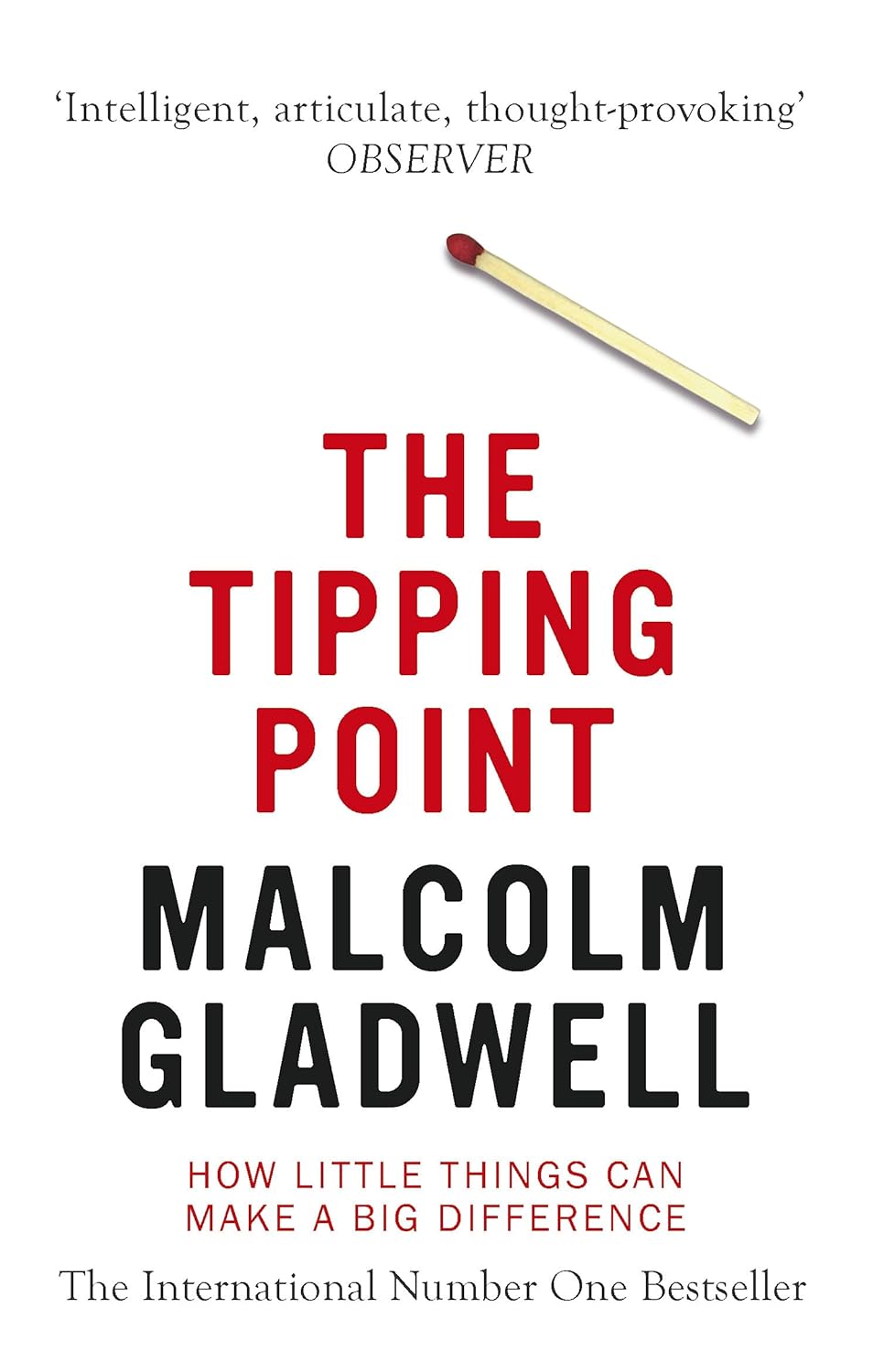
The Tipping Point book cover
Buy on Amazon

Affiliate link — I may earn a commission at no extra cost to you.

The Tipping Point

This book completely changes how you think about momentum, influence, and why certain ideas, products, or behaviours suddenly explode in popularity while others disappear unnoticed. The Tipping Point breaks down the hidden factors that cause trends and movements to spread — often far faster and less predictably than people expect.

What makes this book so interesting is that it teaches you to stop viewing growth as purely linear. Small changes in messaging, environment, timing, or distribution can sometimes create disproportionately large outcomes once something reaches critical momentum. That idea is incredibly relevant whether you're building a business, creating content online, growing an audience, or trying to spread an idea effectively.

One of the biggest takeaways for me was understanding that success often looks gradual right up until the moment it suddenly accelerates. That perspective alone can help you stay patient during the early stages of building something, when progress feels invisible but momentum may still be quietly accumulating underneath the surface.

Why it’s worth reading:

  • It explains how ideas, trends, and behaviours spread through groups and networks
  • It changes how you think about momentum and nonlinear growth
  • It offers powerful insights into marketing, influence, and audience behaviour
Scroll to Top