What to Focus on First When Starting an Online Business (Without Relying on Paid Ads)

Starting an online business is easy to overcomplicate. The real challenge isn’t finding more ideas, tools, or strategies — it’s knowing what to focus on first, what to ignore, and how to build momentum with limited time.

Focused online business planning and prioritisation concept

One of the biggest mistakes people make when starting an online business is trying to do too much at once.

Not because they’re lazy.

But because they’re doing the opposite.

They’re trying to:

  • learn everything upfront
  • build multiple things at once
  • use every platform available
  • and create something “perfect” from day one

It feels like effort.

It looks like progress.

But nothing actually moves forward.

The problem isn’t a lack of effort. It’s a lack of sequencing.

Why Most Online Businesses Stall Early

Most early-stage online businesses don’t fail because the idea is bad.

They stall because there’s no clear order of execution.

Everything feels important:

  • choosing a niche
  • building a website
  • learning SEO
  • growing social media
  • building an email list
  • creating products
  • monetising traffic

So people try to do all of them.

At the same time.

Which leads to:

  • slow progress across everything
  • no meaningful results anywhere
  • and no clear feedback loop

That’s where momentum dies.

The Principle: Focus Is a Constraint, Not a Preference

One of the ideas that influenced this thinking comes from The One Thing.

The core idea is simple:

Progress doesn’t come from doing more things. It comes from doing the right thing first.

That sounds obvious.

But most people never apply it properly.

Because applying it means:

  • ignoring good ideas
  • delaying things you want to build
  • and accepting slower short-term progress

But that’s exactly what creates long-term momentum.

Focused online business planning and prioritisation concept

What Actually Comes First (The 3-Part Focus Model)

Instead of trying to do everything, the model I’m using breaks the business down into three core components:

  • Content
  • Traffic
  • Monetisation

Every online business is some version of this.

The mistake is trying to optimise all three at once.

The better approach is:

Choose one clear path inside each — and execute it consistently.

1. Content — What You’re Building

This is the foundation.

Without content, there’s nothing to:

  • rank
  • share
  • or monetise

In this case, that means:

a content-driven website designed around solving specific problems

(More on this in how to build an SEO site)

2. Traffic — How People Find It

This is where most people overcomplicate things.

Instead of trying to grow everywhere:

one primary channel is chosen

For me, that’s:

search (SEO-driven traffic)

(Covered in traffic strategy and SEO fundamentals)

3. Monetisation — How It Generates Income

This comes later than most people think.

But it still needs to be defined early.

That means starting with:

Not everything at once.

Just a clear path.

What This Means in Practice

At a practical level, this translates to:

  • one niche
  • one website
  • one traffic strategy
  • one monetisation starting point

That’s it.

Everything else is deliberately ignored.

Not because it doesn’t matter.

But because it doesn’t matter yet.

The Real Goal at This Stage

Build something simple that actually works.

Not something perfect.

Not something scalable.

Just something real.

Because once something works:

  • you have feedback
  • you have direction
  • you have momentum

Closing Thought

Starting an online business isn’t about doing more.

It’s about doing the right things, in the right order, for long enough to see results.

Everything else comes later.

Want to see if this actually works?

The latest numbers, lessons, and proof of whether this project is actually moving forward.

Latest income report thumbnail

Last month's performance

A quick look at traffic, earnings, what changed this month, and what I’m testing next.

Read the latest report

Want to understand the full plan?

This breaks down exactly what I’m building, how it’s structured, and where the income is supposed to come from.

See the full plan

Follow the build in real time

I’ll send the real lessons, latest income updates, and the Zero to Launch Starter Pack — a practical guide for building your own online income stream from scratch.

No spam. No guru nonsense. Just useful updates and practical insights.

Get the starter pack
Steve Wootten

About the author

Steve Wootten

I’m building online income streams from scratch and documenting what actually happens along the way — what works, what flops, and what’s probably a complete waste of time.

Why I started this
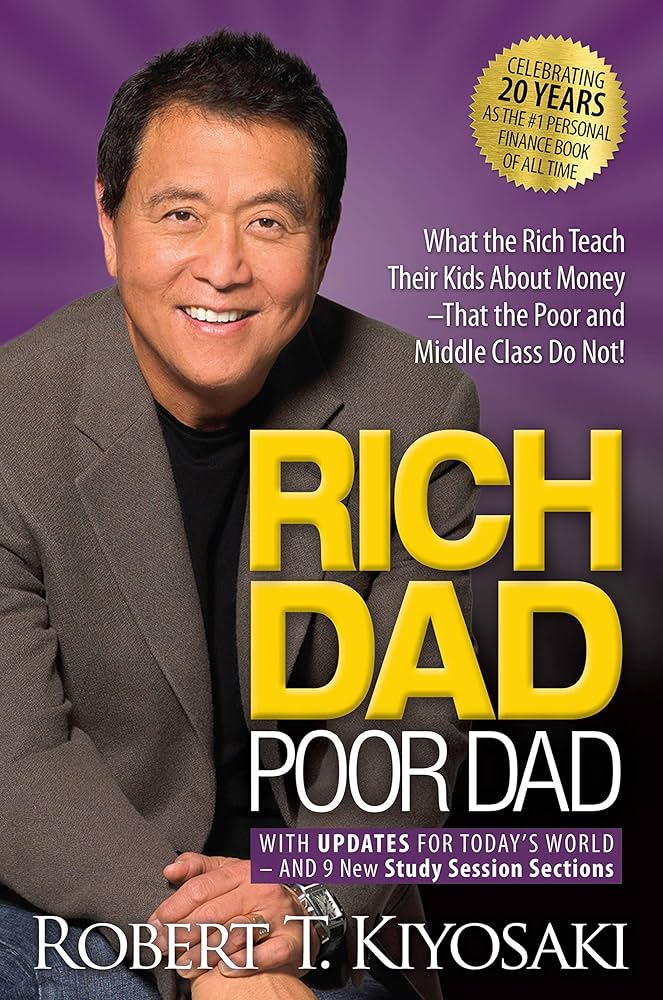
Rich Dad Poor Dad book cover
Buy on Amazon

Affiliate link — I may earn a commission at no extra cost to you.

Rich Dad Poor Dad

This is one of the most impactful books I’ve read when it comes to understanding how money actually works. It completely reframes the difference between earning income and building assets — and why that distinction matters far more than most people realise.

What makes it powerful isn’t that it gives you a step-by-step blueprint. It’s that it forces a shift in thinking — from working for money to building things that generate it. Once you see that properly, it’s very hard to go back to thinking in purely salary terms.

Why it’s worth reading:

  • It clearly explains the difference between assets and liabilities
  • It shifts your focus from income to ownership
  • It lays the foundation for thinking in terms of cash flow and long-term growth
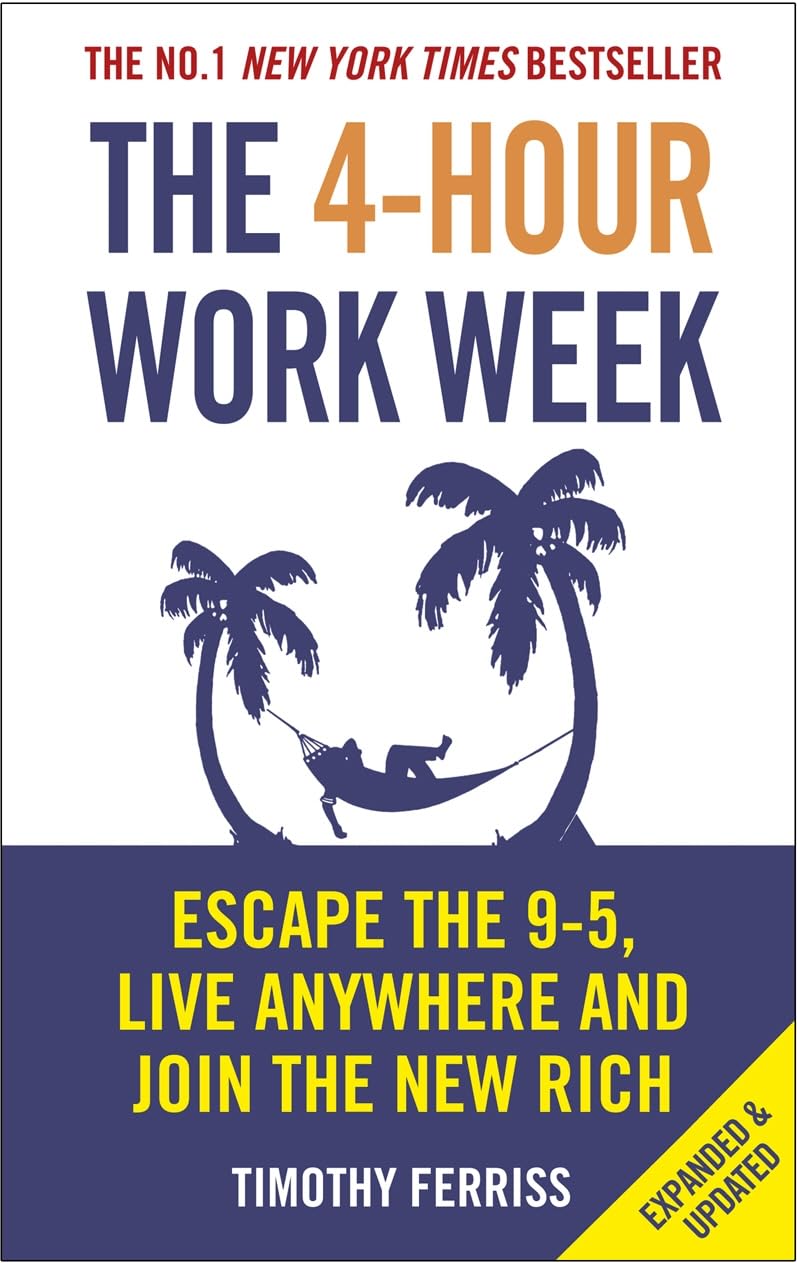
The 4-Hour Workweek book cover
Buy on Amazon

Affiliate link — I may earn a commission at no extra cost to you.

The 4-Hour Workweek

This is one of the most influential books I’ve read when it comes to rethinking how work and income actually fit together. It challenges the default assumption that more hours automatically lead to more progress — and replaces it with a far more effective way of thinking about leverage, time, and output.

What makes it powerful isn’t the idea of “working four hours a week”. It’s the shift toward designing income and systems that don’t rely entirely on your constant effort. That change in thinking alone can completely alter how you approach building anything online or offline.

Why it’s worth reading:

  • It reframes how you think about time, work, and productivity
  • It introduces leverage, automation, and systems in a practical way
  • It pushes you to question the default “work more to earn more” model
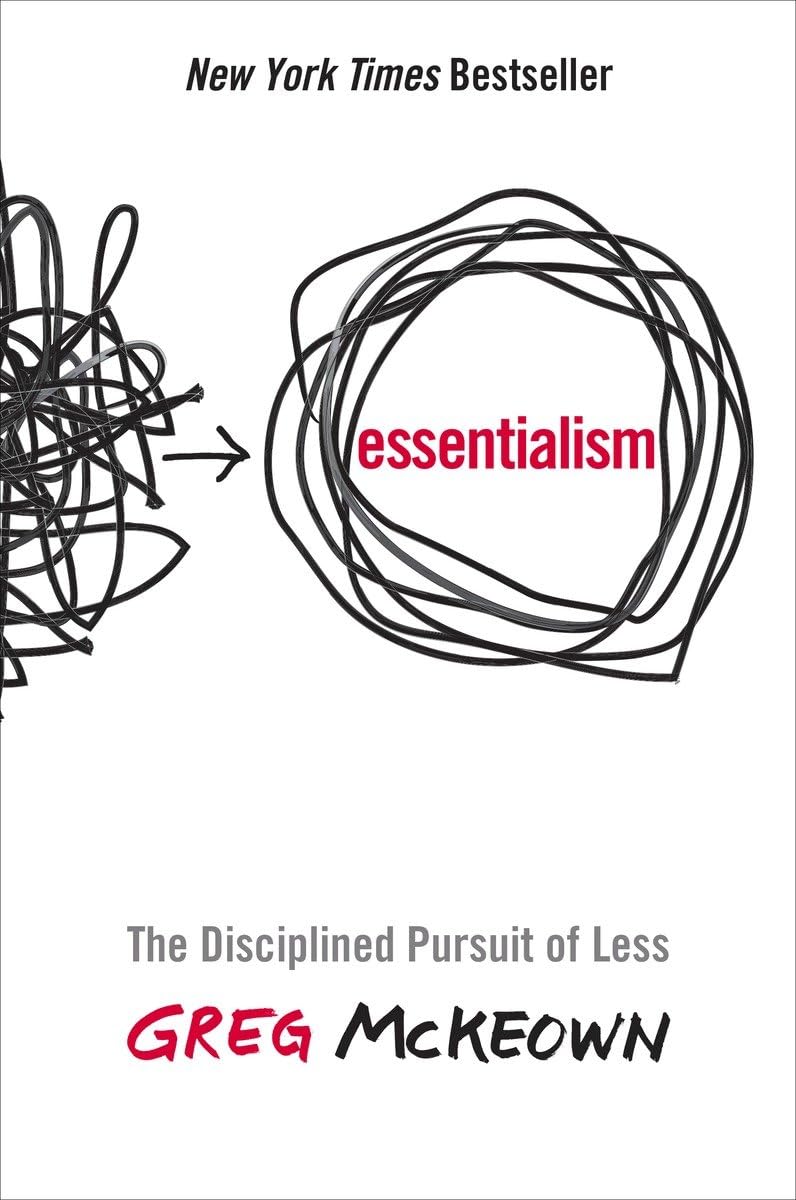
Essentialism book cover
Buy on Amazon

Affiliate link — I may earn a commission at no extra cost to you.

Essentialism

Most people struggle not because they’re doing too little, but because they’re trying to do too much at once. This book cuts straight through that problem and offers a far more effective approach: focus on fewer things, and execute them properly.

The real value here is in how practical it is. Whether you’re building a business, creating content, or trying to make progress alongside a full-time job, it helps you prioritise what actually matters and remove everything that doesn’t.

Why it’s worth reading:

  • It helps you identify and focus on what truly moves the needle
  • It removes the pressure to do everything at once
  • It reinforces disciplined decision-making and clear priorities
Scroll to Top