How to Escape the Rat Race (And Build Income That Actually Scales)
Most people focus on earning more. The real problem isn’t income — it’s structure. If you want to escape the rat race, the answer probably isn’t another pay rise. It’s building assets that can earn, compound, and eventually reduce your dependence on time.

Most people don’t have an income problem.
They have a structure problem.
You can earn more, get promoted, switch jobs, take on more responsibility — and still be stuck in exactly the same cycle:
- Income tied to time
- Limited upside
- Progress that resets if you stop working
That’s the part people miss.
The rat race isn’t just “having a job”. It’s any setup where your financial progress depends on you repeatedly showing up to generate it.
More income can make life more comfortable. It doesn’t automatically make your position stronger.
That’s not a failure of effort.
It’s a flaw in the model.
The Real Shift: Ownership, Not Just Income
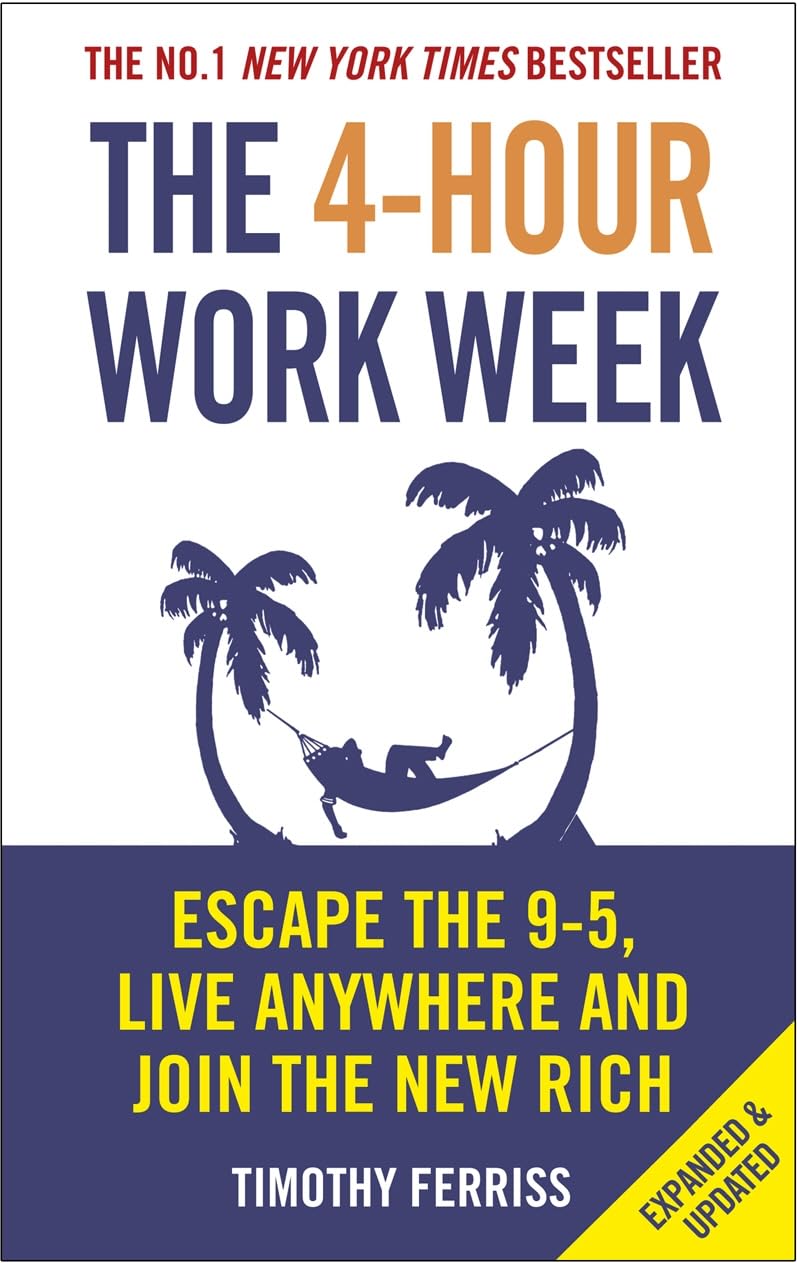
A lot of this clicked after reading books like Rich Dad Poor Dad and The 4-Hour Work Week.
Not because they contain some magic blueprint — they don’t.
But they do point at an idea that most people nod at without ever fully reorganising their life around it:
Income doesn’t make you wealthy. Ownership does.
That sounds simple, but most people still operate as if the goal is to earn more personally, spend what they need, and invest whatever happens to be left over.
Which means the actual wealth-building part gets squeezed into the leftovers:
- After tax
- After bills
- After lifestyle
- After “just this one thing” spending
That’s still consumption-first thinking, just dressed up slightly better.
The real shift is more aggressive than that:
Build assets first. Let income be the byproduct.
Why Building Assets Beats Simply Earning More
There are effectively two ways to improve your financial position.
Path 1: Earn More, Then Try to Keep Some of It
- High effort
- Low leverage
- Progress capped by time
- Taxed before you do much with it
Even if you do well, the model is still constrained by:
- Time
- Energy
- Tax
- Lifestyle creep
Path 2: Build Assets, Own Them, Reinvest Their Output
- Front-loaded effort
- Increasing leverage
- Better compounding
- More upside if the asset works
Instead of:
- Being paid → then taxed → then maybe investing
You move toward:
- Building assets → generating profit → reinvesting → extracting later when it makes sense
That difference is everything.

Why Digital Assets Are the Practical Entry Point
Once you accept that ownership is the real game, the next question becomes:
What assets can you realistically build from scratch?
For most people, especially early on, the answer probably isn’t:
- Property
- A traditional bricks-and-mortar business
- Anything massively capital-intensive
It’s digital.
Because digital assets:
- Require relatively low upfront capital
- Can be built alongside a job
- Have asymmetric upside
- Scale without proportional increases in effort
A digital asset, to me, is something you can build once, improve over time, and use to generate attention, leads, revenue, or strategic advantage without having to recreate it manually every day.
That could mean:
- A website that ranks in search
- A library of useful content
- An email list
- A digital product
- A system that turns traffic into cash flow
That’s why I’m especially interested in SEO-driven websites, affiliate income, and digital products.
But the key point is this:
Digital assets aren’t the end goal. They’re the cash engine.
The Broader Model I’m Building Towards
This is where most “make money online” content stops.
Make a bit of money online → job done.
That’s not the plan.
The plan is to use digital income as fuel, not the destination.
1. DigitalCo — Build the Engine
This is where assets are created:
Important distinction:
This is active at the start, but designed to become increasingly leveraged.
The goal isn’t:
Quick wins
It’s:
Repeatable systems that generate cash
2. PropertyCo — Convert Cash Into Stability
Digital income is powerful, but it has obvious weaknesses:
- It can fluctuate
- It often depends on platforms
- It’s rarely as stable as people pretend
Property does the opposite:
- Slower growth
- But more stable and predictable
So the strategy becomes:
Use fast, scalable digital income to acquire slower, more stable physical assets.
That balance is where long-term resilience comes from.
3. HoldCo — Where It All Comes Together
This is the part almost nobody talks about — but it’s where things get interesting.
Instead of:
- Earning personally
- Paying tax
- Then investing what’s left
You structure it so:
- Profits sit within a group
- Capital can be reallocated before personal taxation
- Growth compounds more efficiently
This isn’t about loopholes or tricks.
It’s about understanding that:
The structure you operate in determines how fast you can grow.

Where This Actually Starts (No Illusions)
Right now, this is early.
- One website
- No meaningful traffic (yet)
- No product revenue (yet)
- No property portfolio
Just:
- A clear model
- A willingness to test it properly
- And a commitment to document it honestly
That matters, because most people only share once it’s already worked.
I think that’s backwards.
The polished success story is the least useful part. What matters is the messy middle: what was tried, what failed, what surprised you, what actually moved things forward, and what turned out to be a complete waste of time.

What I’ll Actually Be Testing (And How It Starts)
Rather than pretending to have answers, this is what I’m actually testing:
- Can SEO still drive meaningful traffic from scratch?
- Can digital products be built without an audience first?
- How long does it realistically take to generate meaningful income?
- What’s worth doing — and what’s a complete waste of time?
And at a practical level, I think the early version needs to stay brutally simple:
- One niche
- One website
- One traffic strategy
- One monetisation path
For me, that means content, SEO, and digital assets that can compound over time.
I’ll share that publicly through future posts on how to find your niche, how to build an SEO site, monthly income reports, SEO experiments, and digital product builds.
The End Goal (Clearly Defined)
This isn’t about:
- Overnight success
- Escaping work entirely
- Or chasing “passive income” for the sake of it
The goal is simpler, and harder:
- Build multiple income-generating assets
- Structure them efficiently
- Reinvest consistently
- And create a position where:
Income is no longer dependent on time, and work becomes a choice rather than a requirement
Why This Might Be Worth Following
Because this isn’t:
- A polished success story
- Or recycled advice
It’s a live test of a model that sounds good on paper — but isn’t often shown in reality.
It might work.
It might not.
But either way, you’ll see exactly what it takes to find out.